If you’ve ever woken up after a night of heavy drinking with a pounding headache, nausea, and extreme fatigue, you know how debilitating a hangover can be. Many people turn to remedies like coffee, greasy food, or water, but one modern approach gaining popularity is hangover IV therapy.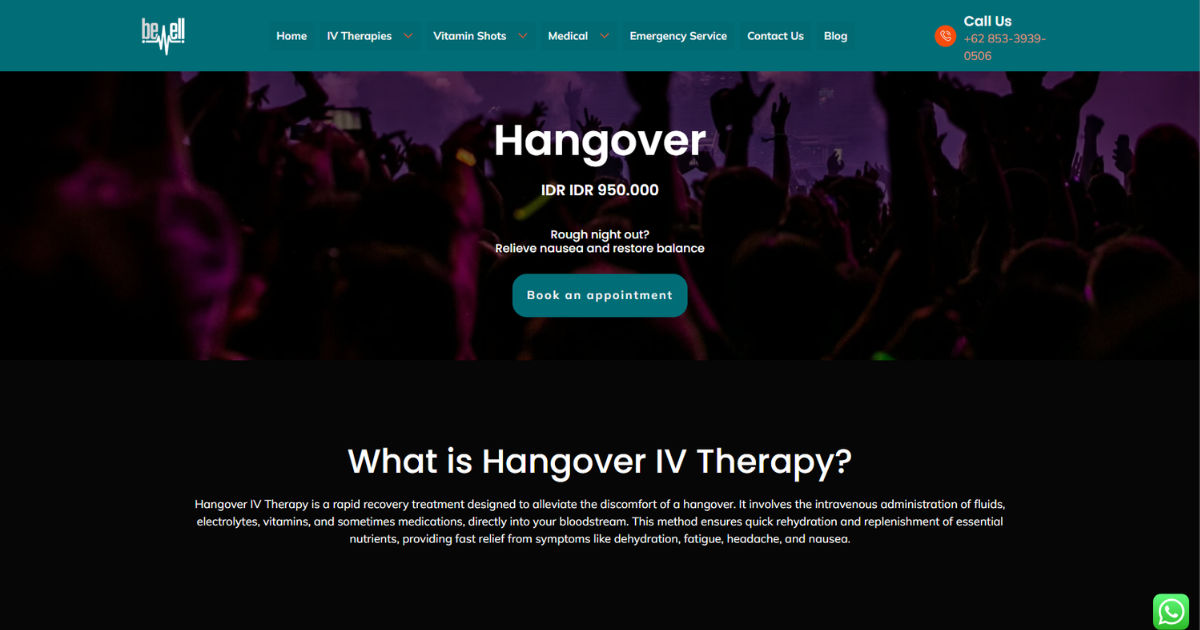
This therapy promises rapid relief by directly targeting dehydration and replenishing essential nutrients your body loses while drinking alcohol.
In this comprehensive guide, we will explore how hangover IV therapy works, why dehydration plays a key role in hangovers, and how this treatment can help you feel better faster.
What Happens to Your Body During a Hangover
When you drink alcohol, your body goes through several physiological changes that contribute to the dreaded hangover. Alcohol is a diuretic, which means it increases urine production. This leads to significant fluid loss. As your body loses water, it also loses electrolytes like sodium, potassium, and magnesium. These electrolytes are essential for proper cell function, nerve signaling, and muscle contraction.
Dehydration caused by alcohol can trigger headaches, dizziness, dry mouth, and fatigue. Additionally, alcohol metabolism produces acetaldehyde, a toxic byproduct that contributes to nausea, vomiting, and overall discomfort. The combination of dehydration and toxin buildup is largely responsible for the severe symptoms you experience during a hangover.
How Hangover IV Therapy Works
Hangover IV therapy works by delivering fluids, electrolytes, vitamins, and sometimes medications directly into your bloodstream. This method bypasses the digestive system, allowing for faster absorption and quicker relief compared to drinking water or oral supplements. Let’s break down the key components and their roles in recovery.
Rehydration
The primary function of hangover IV therapy is to rehydrate the body. When you receive an IV, sterile saline or lactated Ringer’s solution is infused directly into your veins. This rapidly restores your body’s fluid balance, counteracting the dehydration caused by alcohol’s diuretic effect. Unlike drinking water, which takes time to be absorbed through the digestive tract, IV fluids replenish hydration almost immediately.
Electrolyte Restoration
Electrolytes are minerals in your body that carry electrical charges, such as sodium, potassium, and magnesium. When alcohol causes you to urinate excessively, these electrolytes are lost along with water. A deficiency can lead to muscle cramps, weakness, and irregular heart rhythms. Hangover IV therapy includes these electrolytes to restore balance, supporting proper cellular function and easing symptoms like fatigue and dizziness.
Vitamin and Nutrient Replenishment
Alcohol consumption depletes several important vitamins, particularly B vitamins and vitamin C. B vitamins are crucial for energy production and cognitive function, while vitamin C supports the immune system. Hangover IV therapy often includes a blend of these vitamins to help your body recover more efficiently. By replenishing nutrients directly into the bloodstream, IV therapy can help improve energy levels, mental clarity, and overall well-being.
Detoxification Support
Some hangover IV treatments include medications or compounds that help the body process alcohol metabolites, like acetaldehyde, more effectively. While the liver is the primary organ responsible for detoxifying alcohol, IV therapy can assist by providing nutrients that support liver function. This can help reduce nausea, headache, and other hangover symptoms.
Types of Hangover IV Therapy
There are several formulations of hangover IV therapy, each targeting different aspects of hangover recovery. Here are some common types:
Standard Hydration IV
This is the most basic form, primarily focused on rehydration. It includes saline or lactated Ringer’s solution and a standard mix of electrolytes. This type is ideal for individuals experiencing mild to moderate hangover symptoms, particularly those related to dehydration.
Vitamin-Enhanced IV
This version adds high doses of B vitamins and vitamin C to the fluid. It’s designed for people who feel mentally foggy, weak, or exhausted. The added vitamins help restore energy, boost mood, and support cognitive function.
Advanced Detox IV
For more severe hangovers, some IV therapies include compounds like glutathione, an antioxidant that supports liver detoxification. This type of therapy can help accelerate the body’s natural ability to eliminate alcohol byproducts and reduce oxidative stress, which may alleviate headaches and nausea more quickly.
The Science Behind Rehydration
Hydration is key to overcoming hangover symptoms. When your body is dehydrated, blood volume decreases, which can reduce oxygen flow to the brain and other organs. This can lead to dizziness, headaches, and fatigue. Drinking water alone can help, but the process is slower because fluids must pass through the digestive system before entering the bloodstream.
Hangover IV therapy solves this problem by delivering fluids directly into your veins. This increases blood volume rapidly, restoring oxygen transport and nutrient delivery throughout the body. The result is faster symptom relief and a quicker return to normal functioning.
Electrolytes: Why They Matter
Electrolytes are not just fancy minerals—they play an essential role in keeping your body functioning properly. Sodium helps regulate fluid balance, potassium supports heart and muscle function, and magnesium is involved in over 300 biochemical reactions in the body. Alcohol-induced electrolyte imbalances can worsen fatigue, cause muscle cramps, and contribute to irregular heartbeat. IV therapy restores these electrolytes efficiently, helping your body regain stability.
Vitamins and Nutrients: Boosting Recovery
Alcohol depletes water-soluble vitamins like the B-complex group, which includes B1 (thiamine), B2 (riboflavin), B3 (niacin), B6 (pyridoxine), and B12 (cobalamin). These vitamins are essential for energy production, nerve function, and red blood cell formation. Vitamin C, another common addition in hangover IV therapy, helps combat oxidative stress and supports immune function. Replenishing these nutrients intravenously ensures maximum absorption and can help reduce the severity and duration of hangover symptoms.
Benefits of Hangover IV Therapy
Many people turn to hangover IV therapy for the speed and effectiveness of relief. Some of the key benefits include:
- Rapid Hydration: Provides immediate replenishment of lost fluids.
- Electrolyte Balance: Restores essential minerals for optimal bodily function.
- Energy Boost: Vitamins help combat fatigue and brain fog.
- Reduced Nausea: Supports liver detoxification and reduces discomfort.
- Convenience: IV therapy can be administered at clinics, spas, or even at home in some cases.
How Fast Does Hangover IV Therapy Work?
Most patients report feeling noticeable relief within 30 to 60 minutes after receiving hangover IV therapy. Headaches, dizziness, and fatigue tend to improve quickly because the therapy addresses dehydration and electrolyte imbalance, which are primary contributors to hangover symptoms. Cognitive clarity and energy often return shortly after the IV session, making it a practical solution for those needing to resume daily activities.
Safety Considerations
Hangover IV therapy is generally safe when administered by trained healthcare professionals. However, there are a few considerations to keep in mind:
- Medical Supervision: IV therapy should be performed by a licensed professional to avoid complications such as infection or vein irritation.
- Underlying Conditions: Individuals with heart, kidney, or liver problems should consult a doctor before receiving IV fluids.
- Alcohol Use: IV therapy treats hangover symptoms but does not prevent long-term effects of excessive alcohol consumption.
Who Can Benefit from Hangover IV Therapy?
Hangover IV therapy can be beneficial for a wide range of people:
- Individuals with moderate to severe hangovers
- People who need rapid recovery for work or social events
- Those with frequent alcohol use who experience consistent dehydration
- Anyone seeking relief from fatigue, headache, nausea, or brain fog after drinking
It’s not a replacement for responsible drinking or overall hydration habits, but it can be an effective tool for quick recovery.
Comparing Hangover IV Therapy to Traditional Remedies
Traditional hangover remedies include drinking water, consuming electrolytes orally, eating food, and taking pain relievers. While these methods can be effective, they are often slower because absorption occurs through the digestive system. Hangover IV therapy bypasses this process, delivering fluids and nutrients directly into the bloodstream for immediate impact.
Additionally, IV therapy addresses multiple aspects of hangover recovery at once—hydration, electrolyte balance, nutrient replenishment, and detox support—whereas traditional remedies may only target one symptom at a time.
How to Prepare for Hangover IV Therapy
If you’re considering hangover IV therapy, preparation can help optimize results:
- Hydrate in Advance: Drink some water before your IV session to ease vein access.
- Eat Lightly: A small meal before treatment can prevent nausea.
- Avoid Excess Alcohol: IV therapy helps recovery but does not prevent severe alcohol toxicity.
- Rest: Sleep before or after treatment can enhance the body’s recovery.
What to Expect During a Session
A typical hangover IV therapy session takes 30–60 minutes. Here’s what usually happens:
- A healthcare professional cleans the vein site.
- A catheter is inserted into a vein, usually in the arm.
- The IV drip begins, delivering a solution containing fluids, electrolytes, vitamins, and other additives.
- You may feel immediate hydration and increased energy during or after the session.
- After the IV is removed, the professional provides guidance for post-treatment care.
Post-Therapy Tips
After receiving hangover IV therapy:
- Drink water to maintain hydration.
- Eat a balanced meal to support nutrient replenishment.
- Avoid additional alcohol for at least 24 hours.
- Rest if possible, as your body continues to recover.
Limitations of Hangover IV Therapy
While hangover IV therapy can be highly effective, it’s not a miracle cure. Limitations include:
- Does not reverse alcohol’s impact on liver function or cognitive health.
- Effects may be temporary if underlying hydration and nutrition habits are poor.
- Not a substitute for moderation in alcohol consumption.
- Costs can be higher than traditional hangover remedies.
Future of Hangover Treatment
Hangover IV therapy is part of a growing trend in preventive and recovery medicine. As research advances, formulations may become more targeted, combining antioxidants, amino acids, and other compounds to further reduce hangover severity. Clinics may also integrate wearable technology and personalized assessments to optimize treatment for each individual.
Conclusion
Hangovers are uncomfortable, but modern medical solutions like hangover IV therapy offer effective and rapid relief. By addressing the root cause—dehydration—and restoring electrolytes, vitamins, and essential nutrients, this therapy can help reduce headache, fatigue, nausea, and cognitive fog. While it’s not a replacement for responsible drinking habits, hangover IV therapy provides a practical option for those seeking fast recovery.
Understanding the science behind dehydration and nutrient depletion during alcohol consumption helps explain why IV therapy works so effectively. By delivering hydration and nutrients directly into the bloodstream, the body can recover more quickly than relying solely on oral remedies. Whether you’re a student, professional, or social drinker, hangover IV therapy is an innovative approach to managing the effects of alcohol and getting back to your daily life with minimal downtime.
By integrating hydration strategies, nutrient replenishment, and detox support, hangover IV therapy demonstrates how modern medicine can improve wellness and recovery. While traditional remedies still have a place, the speed, convenience, and effectiveness of IV therapy make it a compelling option for anyone suffering from the aftereffects of alcohol.
About the Author