Subsea production is one of the fastest-moving areas in the oil and gas industry, and its direction of travel is clear: smarter, more automated, and increasingly autonomous. Whether you are a student, an operator, or a trainer, these ten points will give you a solid working picture of where the technology stands and where it is heading. Read them in order or jump straight to the ones that matter for your role. Each point stands on its own, but together they describe a system in transition: more capable, more connected, and more demanding of its people.
The Ten Things
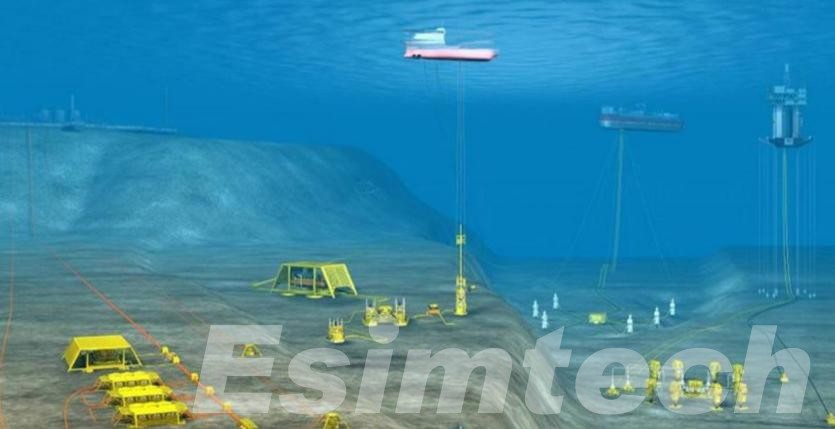
1. Subsea production moves the wellhead underwater. Instead of a platform standing over each well, the control equipment sits on the seabed and the fluids travel through flowlines to a host facility. That single idea unlocked deepwater development.
2. The Christmas tree is the heart of the system. This valve assembly on the wellhead controls flow, provides the barriers that keep the well safe, and hosts the sensors that tell operators what is happening downhole.
3. The umbilical is the nervous system. Power, control signals, and chemicals all travel down a bundled cable, which is why a single umbilical failure can shut down an entire field. Designers compensate with redundant conductors and spare capacity, so that a single damaged fiber does not strand the field.
4. Flow assurance is the daily battle. Hydrates and wax form in cold water, and keeping lines clear requires insulation, chemical injection, and careful monitoring. Most unplanned shutdowns in subsea production trace back to flow assurance problems.
 5. Reliability is engineered, not hoped for. Redundant valves, dual barriers, and rigorous testing mean that no single failure can cause an uncontrolled release, and every component is tested beyond its service pressure.
6. ROVs do the hands-on work. Almost all inspection and intervention on the seabed is performed by remotely operated vehicles, which is why ROV skills and subsea skills now go hand in hand.
7. Automation is moving underwater. Subsea processing, boosting, and all-electric controls are shifting more intelligence onto the seabed, reducing dependence on surface facilities and enabling longer tiebacks.
8. The data revolution has arrived. Modern systems stream pressure, temperature, and flow data continuously, and operators are using that data to predict failures before they happen rather than reacting to them. Predictive maintenance is still early, but the direction is established: the system tells you what it needs before it fails.
9. Autonomous operations are the next frontier. Remote monitoring centers, automated shutdown logic, and eventually autonomous intervention are all on the roadmap, which is reshaping the skills the industry needs. Understanding subsea production systems is becoming a core competence for a much wider group of engineers.
10. Training must evolve with the technology. As systems become more automated, the human role shifts from turning valves to supervising and troubleshooting. That demands a different kind of training, one built around scenarios, decision-making, and practice with subsea production simulation tools rather than lectures alone. Instructors are being retrained as coaches and scenario designers, and curricula are being rewritten around the decisions operators actually face.
What These Trends Mean for You
The pattern across all ten points is the same: the industry is pushing intelligence, reliability, and control deeper underwater, and the people who thrive will be the ones who understand both the hardware and the systems around it. The future of subsea production belongs to those who combine technical understanding with hands-on practice, and that combination is exactly what modern training programs are designed to build.
Start with the fundamentals, follow the trends, and keep learning. The seabed is changing faster than ever, but the basics, flow, barriers, control, and reliability, will always be the foundation.
About the Author