A leather jacket is often judged by its outer appearance, but what is inside matters just as much. A well-made lining can improve comfort, durability, warmth, fit, and the overall wearing experience. Whether you are buying a classic biker jacket, a bomber, or a fashion-focused design from a Pelle Pelle Store, understanding the purpose of the lining can help you make a smarter choice.
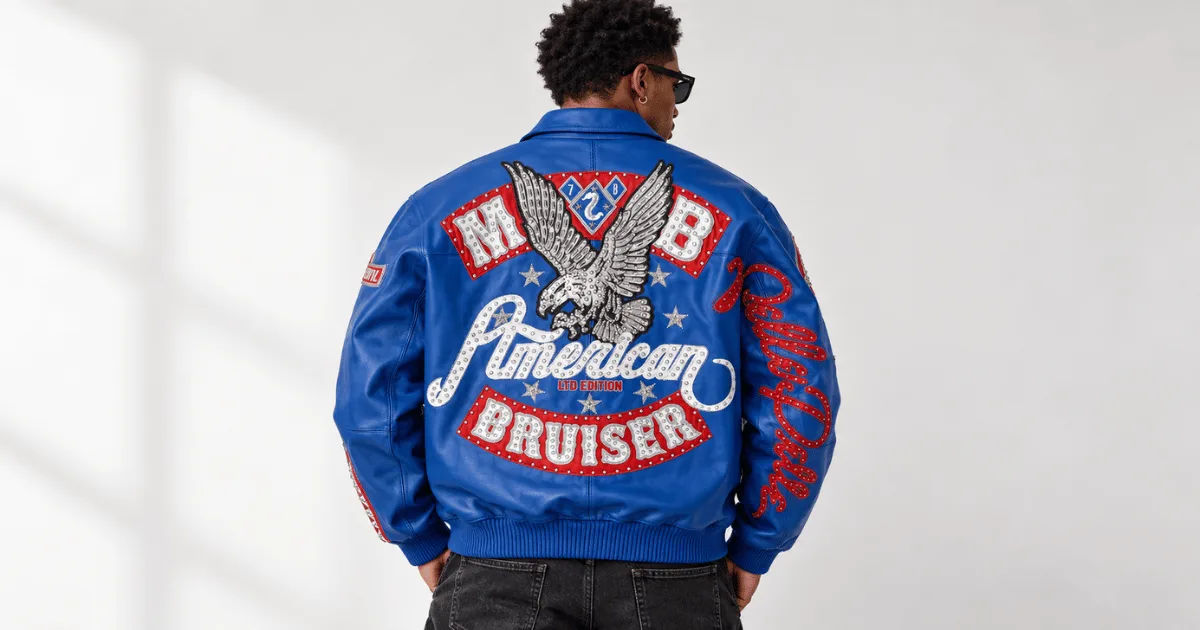
The lining is the material attached to the inside of the leather shell. It creates a barrier between your body and the leather while also helping the jacket maintain its shape. Different lining materials offer different benefits, so the right choice depends on the weather, intended use, style, and personal preference.
This comprehensive guide explains why lining matters in leather jackets, what materials are commonly used, how lining affects comfort and warmth, and what you should look for when purchasing a jacket.
What Is the Lining of a Leather Jacket?
The lining is the inner layer sewn into a leather jacket. It usually covers most or all of the inside surface of the jacket, including the body and sometimes the sleeves.
Leather itself can feel slightly rough or firm against the skin, especially when a jacket is new. A lining creates a smoother surface that makes the jacket easier and more comfortable to wear.
The lining also protects the inside of the leather from direct contact with your body and clothing. Sweat, friction, and repeated movement can affect leather over time. A quality lining helps reduce this contact and can contribute to the jacket's longevity.
The Lining Is More Than Decoration
Some people think the lining is simply a decorative part of a jacket. In reality, it performs several practical functions.
It can influence:
- Comfort
- Warmth
- Breathability
- Moisture management
- Ease of movement
- Durability
- Jacket structure
- Overall fit
Because of these functions, the lining should be considered an important part of the jacket rather than an afterthought.
Why Does Lining Matter in Leather Jackets?
A leather jacket without a suitable lining may still look attractive, but it may not provide the same level of comfort or performance as a properly lined jacket.
The lining can determine how the jacket feels during everyday use. It can also affect how easily you can put the jacket on over a shirt, sweater, or other clothing.
1. It Improves Comfort
One of the most obvious benefits of lining is comfort.
A smooth lining allows your arms and body to move more easily inside the jacket. Instead of leather rubbing directly against your shirt or skin, the lining provides a soft interior surface.
This is particularly useful when wearing the jacket for several hours. A comfortable lining can make a noticeable difference during commuting, traveling, walking, or other daily activities.
2. It Protects Your Clothing
Leather can sometimes transfer oils, dyes, or natural residues onto clothing, especially when the jacket is new. A lining creates a protective layer between the leather and your clothes.
It also reduces friction. Without a lining, the inside of the leather may catch on certain fabrics, making the jacket more difficult to put on or remove.
A good lining allows the jacket to slide over shirts and sweaters more smoothly.
3. It Helps With Temperature Control
Not every lining is designed for warmth.
Some lightweight linings are intended for spring and fall, while quilted or insulated linings can make a leather jacket more suitable for cold weather.
For example, a quilted lining can trap additional air and provide insulation. This makes it useful for winter jackets.
On the other hand, lightweight polyester, cotton, or viscose linings can provide comfort without making the jacket excessively warm.
Choosing the correct lining is therefore important for seasonal use.
Common Leather Jacket Lining Materials
Different materials are used to line leather jackets. Each has its own advantages and limitations.
Polyester
Polyester is one of the most common lining materials.
It is relatively durable, lightweight, and resistant to wrinkles. Polyester can also slide easily over clothing, which makes it practical for everyday jackets.
It is often used in affordable and mid-range leather jackets because it offers reasonable performance at a manageable cost.
However, basic polyester may not feel as breathable as natural fabrics.
Cotton
Cotton provides a natural feel and can be comfortable against the skin.
It is generally breathable and works well in jackets designed for moderate temperatures. Cotton lining can give a jacket a more traditional or premium feel.
Its main disadvantage is that it may absorb moisture more readily than synthetic materials and can take longer to dry.
Viscose or Rayon
Viscose, also known as rayon, is valued for its smooth texture and comfortable feel.
It can provide an elegant interior finish and is often found in higher-quality fashion garments. Its smooth surface allows the jacket to move comfortably over other clothing.
However, viscose can require more careful handling than some synthetic alternatives.
Satin
Satin-style linings are popular in fashion leather jackets because they feel smooth and look luxurious.
The slippery surface makes the jacket easy to put on over shirts and sweaters. Satin can also add a polished appearance to the interior.
The quality of satin lining varies considerably, so it is important to check the stitching and fabric rather than judging it only by appearance.
Quilted Lining
Quilted lining is designed primarily for warmth.
It usually contains an insulating layer stitched between fabric sections. This creates small pockets that help retain warmth.
Quilted leather jackets are particularly useful during colder months. However, they can be heavier and warmer than jackets with thin linings.
How Lining Affects Leather Jacket Durability
A quality lining can contribute to the long-term usability of a leather jacket.
The lining helps protect the inside of the leather from repeated contact with the wearer's body. It can also reduce friction caused by clothing.
However, the lining itself must be well constructed.
Stitching Matters
Strong stitching is essential.
Even an excellent lining material will not perform well if it is poorly attached. Check areas around the shoulders, armholes, cuffs, pockets, and seams.
Loose threads, uneven stitching, or separated seams can indicate poor construction.
Sleeve Linings Are Especially Important
The sleeve lining deserves special attention because your arms move frequently inside the sleeves.
A smooth sleeve lining makes it easier to put the jacket on and take it off. It also helps prevent shirts from bunching up around the elbows and forearms.
For people who wear leather jackets regularly, this small detail can have a major impact on comfort.
Lining and Breathability
Breathability is another important consideration.
Leather is naturally different from lightweight textile fabrics. Depending on its thickness, treatment, and construction, it may not allow moisture and heat to escape as easily as some fabrics.
The lining can either support or reduce comfort in this area.
A breathable lining can help manage heat and moisture during moderate weather. A heavy insulated lining, while useful in winter, may become uncomfortable in warmer conditions.
Therefore, a jacket designed for summer or transitional weather should generally have a lighter interior than a winter leather coat.
Does Every Leather Jacket Need a Heavy Lining?
No.
A heavy lining is not automatically better.
The ideal lining depends on the jacket's purpose. A motorcycle jacket designed for cold-weather riding may benefit from insulation, while a lightweight fashion jacket may work better with a thin, breathable lining.
Adding unnecessary insulation can make a jacket uncomfortable.
Similarly, a very thin lining may not provide enough protection or warmth in colder environments.
The goal is balance rather than maximum thickness.
How Lining Influences the Fit
The lining can affect how a leather jacket sits on your body.
A properly designed lining helps the jacket maintain its structure without making it feel excessively tight.
This is particularly important when wearing layers underneath.
Consider Your Typical Clothing
If you normally wear T-shirts under your leather jacket, a relatively slim lining may be enough.
If you frequently wear sweaters or hoodies, you need enough interior space for layering.
A thick quilted lining can also take up additional space, so the jacket may need to be slightly roomier.
When trying on a jacket from a Pelle Pelle Store, consider the clothing you normally wear underneath rather than judging the fit with only a thin shirt.
Lining for Different Seasons
The best lining depends heavily on climate and season.
Spring and Fall
Lightweight linings are often ideal during transitional seasons.
They provide comfort and make the jacket easier to wear without adding excessive insulation.
Winter
Cold weather calls for more insulation.
Quilted linings, fleece-backed materials, or jackets with additional thermal layers can help retain body heat.
The leather outer shell can also provide some protection against wind, while the insulated lining contributes to warmth.
Mild or Warmer Weather
A lightweight leather jacket with a breathable lining is usually more practical.
Heavy insulation can cause overheating, particularly when walking or spending time indoors.
How to Check Lining Quality Before Buying
You do not need to be a clothing expert to evaluate a jacket lining.
Start by looking closely at the fabric.
It should feel reasonably smooth and should not appear excessively thin or fragile.
Next, inspect the seams. The lining should be securely attached without obvious gaps or loose threads.
Move your arms while wearing the jacket. Make sure the sleeves do not pull uncomfortably.
Finally, check the relationship between the lining and the outer leather. A quality jacket should feel balanced rather than excessively bulky.
Common Lining Problems
Even good leather jackets can develop lining problems with regular use.
Torn Lining
The lining can tear around the pockets, sleeves, or seams because of repeated friction.
Small tears should be repaired early before they become larger.
Loose Stitching
Loose stitches can cause the lining to separate from the jacket.
Ignoring the problem may eventually make the jacket uncomfortable to wear and more difficult to repair.
Worn Sleeve Fabric
Sleeve linings experience considerable movement and friction. Over time, the fabric may become thin or develop holes.
Regular inspection can help identify wear before it becomes severe.
Poorly Fitted Lining
A lining that is too tight can restrict movement. One that is excessively loose may bunch up inside the jacket.
Good construction keeps the lining comfortably positioned without interfering with movement.
Can a Leather Jacket Lining Be Replaced?
Yes, in many cases.
A damaged lining does not necessarily mean the entire leather jacket needs to be discarded. A professional tailor or leather specialist may be able to remove the old lining and install a replacement.
This can be worthwhile when the outer leather remains in good condition.
The replacement material should match the jacket's intended use. A lightweight jacket does not necessarily need a heavy lining, while a winter jacket may require suitable insulation.
How to Care for the Lining
Taking care of the lining can extend its useful life.
Avoid overloading interior pockets because excessive weight can put stress on seams.
Allow the jacket to air out after heavy use, especially if you have been sweating.
Follow the manufacturer's cleaning instructions. Leather jackets should generally not be treated like ordinary washable clothing.
If the lining becomes stained or develops an odor, professional cleaning may be safer than attempting aggressive home cleaning.
Lining vs. Leather: Which Is More Important?
Both are important, but they serve different purposes.
The leather is responsible for the jacket's exterior protection, appearance, structure, and much of its durability.
The lining focuses more on comfort, interior protection, temperature management, and ease of wear.
A premium leather jacket with a poor lining can still be disappointing. Likewise, an excellent lining cannot compensate for low-quality leather or poor construction.
The best jackets combine quality leather with a well-designed interior.
What Should You Look for in a Quality Lining?
When comparing leather jackets, consider several factors together.
Look for a lining that matches the intended season and purpose. Examine the fabric quality and stitching. Make sure the sleeves allow comfortable movement.
Pay attention to how the jacket feels after wearing it for several minutes rather than judging it immediately.
A good lining should feel supportive without becoming noticeable in a negative way.
This is one reason shoppers exploring options at a Pelle Pelle Store should evaluate the complete construction of a jacket instead of focusing only on its exterior design.
Conclusion
The lining of a leather jacket plays a much bigger role than many shoppers realize. It affects comfort, movement, temperature control, durability, fit, and the overall experience of wearing the jacket.
A smooth lining can make a jacket easier to put on and take off. A breathable material can improve comfort in moderate weather, while a quilted lining can provide additional warmth during winter.
The right lining also protects the inside of the leather and reduces friction against your clothing. Strong stitching and proper construction are equally important because even a high-quality fabric will not perform well if it is poorly attached.
When choosing a leather jacket, look beyond the exterior. Examine the inside, feel the lining, check the stitching, and think about how you intend to use the jacket.
Whether your priority is everyday comfort, cold-weather protection, fashion, or long-term durability, the lining should be part of your buying decision. A well-designed leather jacket is not simply about beautiful leather on the outside. Its real quality comes from how all of its components work together.
For that reason, understanding lining construction can help you choose a jacket that not only looks good but also feels comfortable and performs well over time. A thoughtful purchase from a reputable Pelle Pelle Store can be even more satisfying when you know what to look for inside the garment as well as outside it.
About the Author