Jewellery has been an important part of human culture for thousands of years. People wear it to express their personality, celebrate special occasions, preserve traditions, and create meaningful connections with loved ones. Although modern machines can produce thousands of jewellery pieces quickly, many people still appreciate the beauty and individuality of items made by skilled craftspeople. 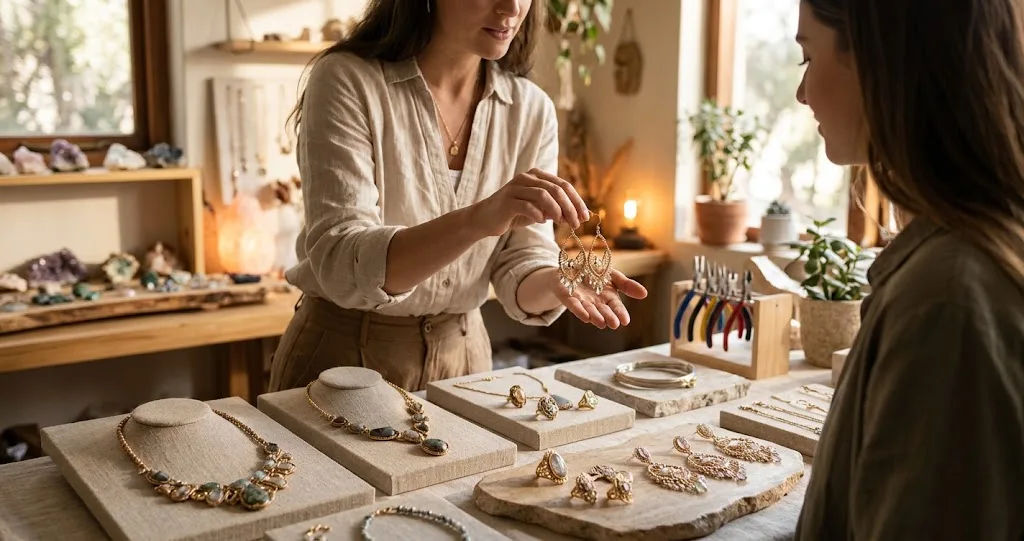 Understanding how handcrafted jewellery is made by artisans reveals the patience, creativity, and technical knowledge behind every finished piece.
Artisans use a combination of traditional techniques, carefully selected materials, and artistic imagination to transform simple metals, gemstones, beads, and other natural materials into beautiful accessories. Each stage requires attention to detail, from developing the original design to polishing the final surface. Depending on the complexity of the piece, the process may take several hours, days, or even weeks.
What makes this jewellery special is the human involvement behind its creation. Unlike mass-produced accessories, handmade pieces often feature small details that reflect the maker's personal style and experience. These details can make every item feel distinctive, meaningful, and valuable to the person who wears it.
The Art of Jewellery Making
Jewellery making is both an artistic activity and a technical craft. Artisans must understand how different materials behave, how individual components fit together, and how to create pieces that are attractive, comfortable, and durable.
The process combines traditional knowledge with modern tools. Some artisans work in small home studios, while others operate professional workshops equipped with specialised equipment. Regardless of the setting, careful planning and skilled craftsmanship remain essential.
What Makes Handmade Jewellery Different?
The main difference between handmade and mass-produced jewellery is the level of individual attention involved in its creation. Handmade pieces are shaped, assembled, decorated, or finished through processes performed directly by an artisan.
For example, a goldsmith might carefully shape a metal wire into a decorative ring, set a gemstone by hand, and polish the surface until it develops a smooth finish. Another craftsperson might arrange colourful beads into a necklace, selecting each bead to create a balanced pattern.
Handmade jewellery can also be produced in small batches using moulds, casting equipment, or certain modern tools. Therefore, handmade does not always mean that every component is shaped entirely by hand. Instead, it describes a production process in which artisans play a significant role in creating and finishing the piece.
The Importance of Traditional Craftsmanship
Jewellery-making traditions have developed across many cultures. Indian artisans are known for techniques such as Kundan, Meenakari, and intricate goldwork. Other regions have developed distinctive methods involving silver filigree, beadwork, engraving, and metal embossing.
These techniques are often passed from experienced craftspeople to younger generations through observation and practice. Learning them requires patience because even a small mistake can affect the appearance or strength of the finished item.
Traditional craftsmanship also helps preserve cultural identity. Patterns, colours, and decorative symbols can communicate stories about a community's history, beliefs, celebrations, and artistic heritage.
Step 1: Developing the Initial Design
Every successful jewellery piece begins with an idea. Before an artisan starts cutting metal or arranging gemstones, they need to decide what the finished item should look like and how it will function.
Gathering Inspiration
Artisans find inspiration in many places, including nature, architecture, traditional patterns, fashion, and personal experiences. A flower might inspire a pendant, while the shape of a leaf could become the outline of an earring.
Some customers request personalised designs for weddings, birthdays, anniversaries, or other important events. In these situations, the artisan discusses the customer's preferences, budget, and intended use before preparing a design.
Creating Sketches and Measurements
Once the concept is clear, the artisan draws one or more sketches. These drawings show the shape, proportions, decorative details, and arrangement of the different components.
Measurements are particularly important for rings, bracelets, necklaces, and earrings. A ring must fit comfortably, while a necklace needs an appropriate length and a secure fastening.
For complex designs, artisans may create a detailed technical drawing or a three-dimensional digital model. These tools help them identify potential problems before investing time and materials in production.
Choosing the Right Design Approach
A design must balance beauty with practicality. Heavy earrings, for example, may look attractive but become uncomfortable when worn for long periods.
Artisans also consider how gemstones will be secured, whether the metal is suitable for the intended shape, and how the finished piece will withstand regular use.
Good planning reduces waste, improves quality, and makes the remaining stages more efficient.
Step 2: Selecting High-Quality Materials
The materials used in jewellery making influence its appearance, durability, weight, and price. Artisans select them according to the design, customer preferences, and available budget.
Precious and Alternative Metals
Gold, silver, and platinum are popular choices for fine jewellery. Each metal has different properties that influence how easily it can be shaped, polished, and maintained.
Gold is often mixed with other metals to create alloys with different colours and levels of hardness. Silver is valued for its bright appearance and versatility, while platinum is known for its density and durability.
Artisans also work with brass, copper, stainless steel, and other materials. These alternatives can be suitable for decorative jewellery, depending on the design and intended use.
The choice of metal matters because different materials require different working temperatures, tools, and finishing techniques.
Selecting Gemstones and Beads
Gemstones add colour, texture, and visual interest to jewellery. Depending on the design, artisans may use diamonds, emeralds, rubies, sapphires, pearls, or semi-precious stones.
Other pieces incorporate glass beads, ceramic elements, wood, shells, or carefully selected natural materials.
Before using a gemstone, the artisan considers its size, shape, colour, clarity, and durability. Stones must also be checked for chips, cracks, or other defects that could affect their appearance or stability.
Beads are usually selected according to their colour, size, and surface quality. Consistent selection helps create a balanced design, particularly in necklaces and bracelets.
Considering Ethical and Sustainable Materials
Responsible material selection is becoming increasingly important. Some artisans choose recycled metals, reclaimed decorative elements, or gemstones from suppliers who provide information about their sourcing practices.
Recycled metals can reduce the demand for newly mined materials, although their overall environmental impact depends on processing and supply chains.
Customers can ask about metal purity, gemstone origins, recycled content, and the use of materials that may cause allergies. Clear information helps buyers make informed decisions.
Step 3: Preparing the Materials
After selecting the materials, the artisan prepares them for shaping and assembly. This stage helps ensure that each component is suitable for the intended design.
Measuring and Cutting
Metal sheets, wires, rods, and tubes are measured according to the design. Artisans use tools such as rulers, callipers, saws, shears, and wire cutters to achieve the required dimensions.
Accurate cutting is essential because incorrectly sized components may not fit together properly. Small errors can become especially noticeable in symmetrical designs or pieces containing several gemstones.
Artisans generally try to minimise waste by planning cuts carefully and keeping usable offcuts for future projects.
Cleaning and Surface Preparation
Metals and stones may contain dust, oils, oxidation, or other surface contaminants. These must be removed before certain joining, setting, or finishing processes.
Depending on the material, an artisan might use brushes, polishing cloths, suitable cleaning solutions, or specialised equipment.
Clean surfaces allow solder to flow properly and help adhesives bond when adhesives are appropriate for the design.
Preparation may seem like a minor step, but it has a significant effect on the quality of the finished jewellery.
Step 4: Shaping and Forming the Jewellery
Shaping is where the raw materials begin to resemble the intended design. This stage requires control, precision, and an understanding of how different materials respond to pressure, heat, and movement.
Hammering and Bending
Artisans use hammers, pliers, mandrels, and other tools to shape metal into curves, rings, loops, and decorative forms.
For example, a metal strip can be bent around a mandrel to create a ring. Wire can be shaped into loops for earrings or twisted into decorative patterns.
Hammering can also create texture. Repeated, controlled strikes produce surfaces with distinctive marks that reflect the artisan's technique.
Some metals become harder as they are repeatedly worked. In such cases, the artisan may need to anneal the metal by heating it under suitable conditions and allowing it to cool according to the material and process. This softens the metal and makes further shaping easier.
Forging and Texturing
Forging involves shaping metal through controlled force, sometimes with heat. It can create strong components and distinctive forms.
Texturing techniques allow artisans to produce matte surfaces, hammered patterns, or other decorative effects. The final appearance depends on the tools used and the amount of pressure applied.
These methods are particularly useful when the design celebrates the natural character of the material rather than aiming for a perfectly uniform, machine-made appearance.
Filigree and Fine Decorative Work
Filigree is a detailed technique in which thin metal wires are arranged into delicate patterns. The wires may be twisted, curled, and joined to create lace-like designs.
This technique requires excellent control because the components are small and can easily become distorted.
Other decorative methods include piercing, engraving, embossing, and carving. Each creates a different visual effect and requires specific skills.
Step 5: Joining and Assembling the Components
Once the individual parts are shaped, the artisan connects them to create a complete structure.
Soldering Metal Parts
Soldering is commonly used to join metal components. The artisan applies a suitable solder and heats the joint using appropriate equipment so that the solder flows into the connection.
The process requires careful temperature control. Excessive heat may damage delicate components, affect certain gemstones, or distort the design.
After the joint cools, the artisan checks its strength and appearance. Any excess solder or visible marks may be removed during later finishing stages.
Not every jewellery item requires soldering. Some pieces are assembled using mechanical connections, wire wrapping, rivets, or other joining methods.
Connecting Chains, Clasps, and Findings
Necklaces and bracelets often require chains, jump rings, clasps, and other small components. Earrings may need posts, hooks, or secure fastenings.
These parts must be attached carefully to ensure the jewellery stays together during normal use.
A beautiful necklace is not well made if its clasp opens unexpectedly or its connecting rings separate easily. Functional details are therefore just as important as decoration.
Checking Structural Strength
Before moving forward, artisans inspect the assembled piece for weak connections, sharp edges, and uneven components.
This inspection helps identify problems while they can still be corrected without damaging the finished surface.
Step 6: Setting Gemstones and Adding Decorations
Gemstone setting is one of the most delicate stages of jewellery production. The stone must be held securely while remaining visible and attractive.
Common Gemstone-Setting Techniques
Different settings suit different designs and gemstones.
-
Prong setting: Small metal claws hold the gemstone in position while allowing light to reach it.
-
Bezel setting: A rim of metal surrounds the gemstone's edge, providing protection and a clean appearance.
-
Pavé setting: Multiple small stones are placed close together to create a surface that appears covered in gemstones.
-
Channel setting: Stones sit within a channel formed by parallel metal edges.
The artisan selects the setting according to the stone's shape, size, durability, and the intended appearance of the jewellery.
Why Precision Matters
A setting must hold the gemstone securely without applying damaging pressure. Excessive force can chip or crack certain stones, while a loose setting increases the risk of losing the gemstone.
The artisan examines the stone's position, checks that it sits correctly, and confirms that the surrounding metal is secure.
Decorative elements such as enamel, engraved patterns, or small beads may also be added at this stage, depending on the design.
Step 7: Polishing and Finishing
Finishing transforms a structurally complete piece into a polished product suitable for wearing. It can involve several stages, depending on the desired appearance.
Filing and Smoothing
Artisans use files, abrasive papers, and specialised tools to remove rough edges, excess solder, and unwanted marks.
The goal is to create smooth surfaces without removing important details or changing the intended shape.
Comfort is especially important for rings, bracelets, and earrings. Edges that touch the skin should be carefully checked to avoid irritation or scratching.
Polishing the Surface
Polishing improves the appearance of metal by reducing surface marks and creating the desired finish. Some pieces receive a bright, reflective shine, while others are intentionally left with a brushed or matte texture.
Different polishing compounds and tools are selected according to the material and finish.
Certain jewellery may also receive plating, oxidation, or protective coatings. These treatments can change the colour or appearance of the surface, although their durability depends on the material and how the item is used.
Final Cleaning
After polishing, the jewellery is cleaned to remove residue, dust, and other contaminants. Suitable cleaning methods depend on the metal, gemstones, adhesives, and decorative treatments involved.
For instance, some porous gemstones and delicate materials can be damaged by harsh chemicals or ultrasonic cleaners. Experienced artisans choose methods that protect the piece rather than applying the same treatment to every item.
Step 8: Quality Control and Final Inspection
Before a piece is ready for sale or delivery, the artisan examines it carefully. Quality control helps ensure that the jewellery meets the intended standards of appearance, comfort, and construction.
Checking the Details
The inspection may include checking:
-
Whether the design matches the original plan.
-
Whether gemstones and decorative elements are secure.
-
Whether soldered joints and connecting rings are strong.
-
Whether clasps and other fastenings work correctly.
-
Whether the surface is clean and the finish is consistent.
-
Whether sharp edges or rough areas remain.
-
Whether the item fits its intended size and shape.
For precious-metal jewellery, additional checks may be appropriate to confirm metal purity and compliance with relevant marking requirements.
Making Final Adjustments
If the artisan discovers a problem, the piece may need further polishing, tightening, resizing, or repair.
This additional work takes time, but it helps prevent avoidable problems after the jewellery reaches its owner.
Some makers also photograph the finished item, record its materials, and prepare packaging or care instructions before delivery.
The Role of Artisan Skill and Experience
Tools and materials are important, but the artisan's knowledge brings everything together. Skilled craftspeople learn how to recognise small differences in material quality, predict how metal will behave, and correct mistakes without compromising the design.
Experience also improves efficiency. An experienced goldsmith may recognise that a particular design needs a stronger connection or that a gemstone requires a more protective setting.
However, skill develops gradually. Beginners usually start with simple projects, learn to handle tools safely, and practise basic techniques before attempting complicated pieces.
Attention to detail, patience, problem-solving, and creativity are all essential qualities for successful jewellery making.
How Long Does It Take to Make Handmade Jewellery?
The time required depends on the design, materials, techniques, and experience of the artisan.
A simple beaded bracelet might take less than an hour to assemble. A basic silver pendant may require several hours of shaping, joining, and finishing. A complex gold necklace with many gemstones could take several days or longer.
Custom orders may require additional time for consultations, sketches, material sourcing, approvals, and adjustments.
Unexpected challenges can also extend production time. A gemstone may need to be replaced, a metal component may require reshaping, or a setting may need to be rebuilt.
The time invested in each piece is one reason handmade jewellery can cost more than comparable mass-produced accessories.
What Affects the Cost of Handmade Jewellery?
The price of a piece reflects more than its appearance. Several factors contribute to its overall cost.
Material Costs
Precious metals, high-quality gemstones, and specialised decorative materials can be expensive. The quantity used and the market price of the materials influence the final price.
Labour and Craftsmanship
Artisans charge for the time, skill, and equipment required to make each item. Complex designs usually involve more work than simple pieces.
Design and Customisation
A personalised design may require extra planning, communication, and technical adjustments. Unique pieces can also require specialised tools or techniques.
Finishing and Quality Assurance
Careful polishing, secure gemstone settings, reliable fastenings, and final inspections all require time. These steps contribute to the quality and longevity of the product.
When comparing prices, customers should consider material quality, construction, design complexity, and the maker's experience rather than judging value by appearance alone.
Benefits of Choosing Artisan-Made Jewellery
Choosing artisan-made jewellery offers several advantages beyond visual appeal.
Individuality and Personal Expression
Many artisans produce distinctive designs that are not available in large retail collections. Customisation allows customers to choose preferred metals, gemstones, sizes, and decorative details.
Cultural and Artistic Value
Handmade pieces can preserve traditional techniques and celebrate regional artistic styles. Some designs also carry personal meaning, making them especially suitable for gifts and family heirlooms.
Repair and Personalisation Opportunities
Depending on the maker and construction, handmade pieces may be easier to resize, repair, or adapt than some mass-produced alternatives. Customers can ask whether future maintenance or alterations are available.
Thoughtful Material Choices
Customers can seek artisans who use recycled metals, responsibly sourced materials, and durable components. However, handmade production does not automatically guarantee sustainability or ethical sourcing, so it is worth asking questions about the materials and manufacturing process.
Caring for Handcrafted Jewellery
Proper care helps maintain the beauty and condition of handcrafted jewellery for years.
Store each piece in a clean, dry place, preferably in a separate pouch or compartment to prevent scratches and tangling. Keep jewellery away from harsh chemicals, perfumes, and cleaning products.
Remove delicate items before swimming, exercising, gardening, or performing activities that could cause impact or abrasion.
Clean jewellery using methods appropriate for its materials. A soft cloth is suitable for many metal surfaces, but gemstones and special finishes may require different care.
Inspect clasps, settings, and connecting rings occasionally. If a stone becomes loose or a fastening stops working properly, consult a qualified jeweller before wearing the piece again.
For valuable or frequently worn items, professional cleaning and periodic inspection can help identify problems early.
Conclusion
Understanding how artisans create handcrafted jewellery reveals the combination of creativity, technical ability, patience, and careful planning that goes into every piece. The process begins with an idea and develops through design, material selection, preparation, shaping, assembly, gemstone setting, polishing, and quality control.
Each stage contributes something important to the finished item. Thoughtful design creates visual appeal, suitable materials support durability, precise construction keeps components secure, and careful finishing improves comfort and appearance. The artisan's experience connects these elements and helps turn raw materials into a complete piece of wearable art.
Handmade jewellery also has value beyond its physical materials. It can reflect cultural traditions, preserve specialist skills, express personal identity, and mark meaningful occasions. Although individual pieces may require more time and cost more than mass-produced alternatives, their distinctive designs and attention to detail can make them worthwhile investments.
When purchasing jewellery, customers should consider the quality of the materials, the strength of the construction, the reputation of the artisan, and the care required to maintain the piece. Asking questions about sourcing, customisation, repairs, and craftsmanship can help buyers make confident decisions.
Ultimately, artisan jewellery making is a balance between imagination and precision. Every carefully shaped curve, securely set gemstone, and polished surface contributes to the finished design. By appreciating the process behind these creations, people can better understand the skill involved and choose pieces that reflect their taste, values, and personal stories.
About the Author