When starting a fitness clothing brand, one of the first questions to ask is how long a fitness clothing manufacturer takes to turn your idea into finished products. The answer is not always straightforward because manufacturing time depends on the design, order quantity, materials, customization, sampling process, and production schedule.
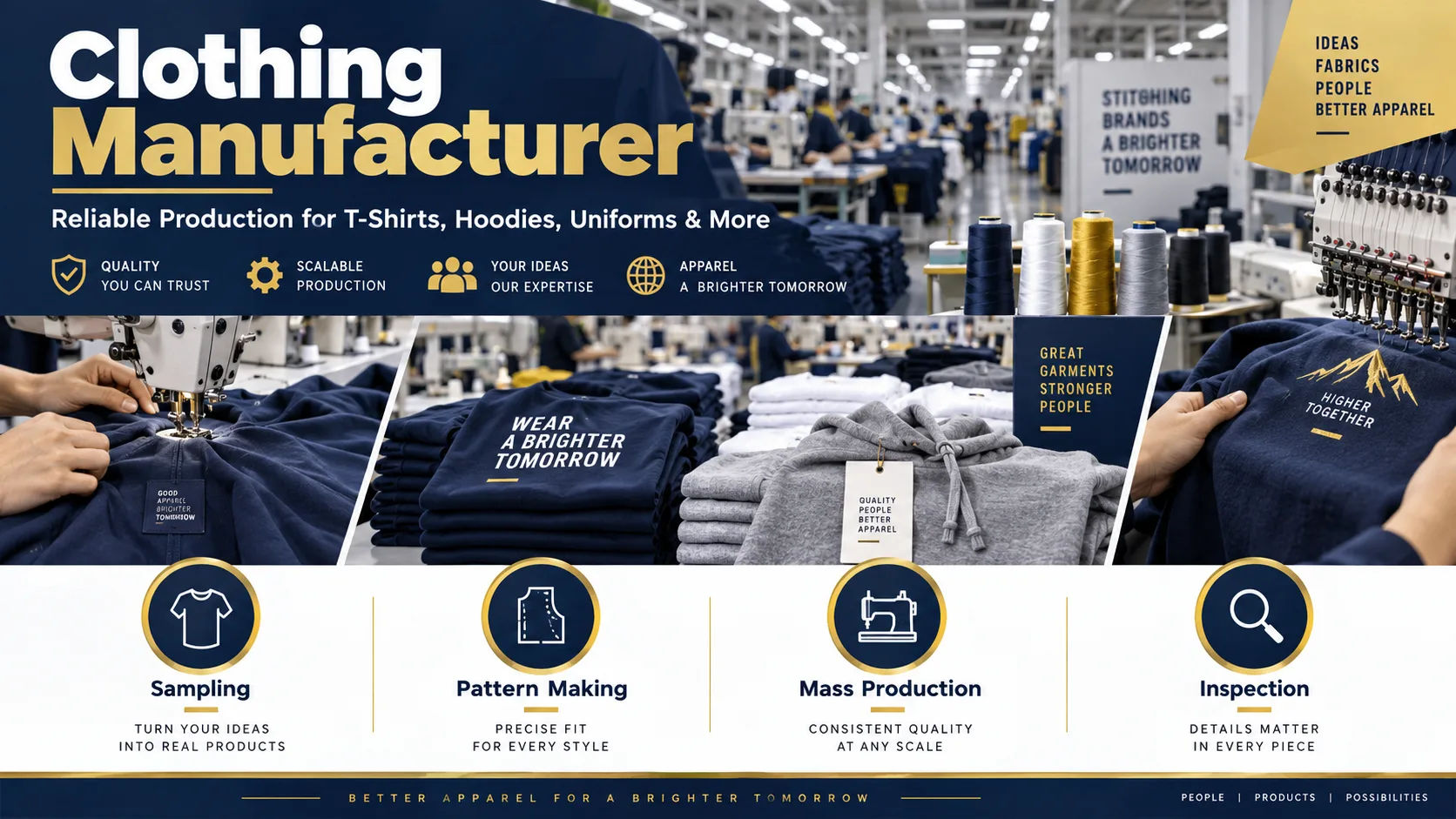
In general, custom fitness clothing can take anywhere from a few weeks to several months from the initial design stage to final delivery. A simple order using existing fabrics and standard designs may move quickly, while a completely customized collection with new patterns, fabrics, labels, packaging, and detailed quality requirements can take considerably longer.
Understanding the manufacturing timeline before placing an order helps you set realistic launch dates, avoid unnecessary delays, and communicate more accurately with customers.
What Is the Typical Manufacturing Timeline?
A typical manufacturing process involves several stages rather than one continuous production period. These stages may include design confirmation, fabric selection, sampling, revisions, bulk production, quality inspection, packaging, and shipping.
For a straightforward private-label order, the process may take around four to eight weeks after the specifications are finalized. More complex custom collections can take eight to twelve weeks or longer.
The timeline can also change depending on whether the manufacturer already has the required fabrics and materials available. If materials need to be sourced specifically for your collection, additional time may be necessary.
This is why asking only, “How many days does production take?” can give an incomplete picture. The actual timeline starts before the sewing machines begin running.
What Factors Affect the Manufacturing Time?
Several factors can make the production process faster or slower. Understanding these factors gives you a better idea of what to expect when working with a fitness clothing manufacturer.
Design Complexity
Simple designs are generally easier to manufacture than highly detailed garments.
A basic T-shirt, sports tank, or pair of leggings may have a relatively straightforward construction. A garment with multiple panels, unusual seams, mesh inserts, pockets, zippers, reflective elements, or special stitching requires more development and production work.
Complex designs also require more attention during sampling because every component needs to fit together properly.
Number of Products in the Collection
Manufacturing one product style is different from producing an entire collection.
For example, ordering leggings in several colors may be relatively manageable. Developing leggings, sports bras, jackets, shorts, shirts, and accessories at the same time introduces more patterns, measurements, materials, and production requirements.
A larger collection can therefore increase the development period even when the total order quantity is reasonable.
Order Quantity
The size of your order can affect scheduling and production capacity.
A small order may sometimes be easier to complete because it requires fewer materials and less production time. However, some factories prioritize larger production runs, while others specialize in smaller minimum order quantities.
A fitness clothing manufacturer may also need additional preparation time for larger orders because more fabric must be inspected, cut, sewn, printed, labeled, and packed.
Fabric Availability
Fabric is one of the most important parts of activewear production.
Fitness clothing often requires materials with specific characteristics such as stretch, moisture management, durability, softness, compression, breathability, or shape retention.
If the manufacturer has the desired fabric in stock, production can move more quickly. If the material needs to be ordered or specially developed, the timeline may increase.
Special colors can also require additional time if the fabric needs custom dyeing.
How Long Does the Sampling Process Take?
Sampling is an important stage that should not be rushed.
Before bulk production begins, manufacturers typically create samples so you can evaluate the garment's appearance, construction, measurements, fabric, stitching, and overall fit.
A basic sample may take one to three weeks, although complicated designs can require longer.
The first sample is not necessarily the final product. You may discover that the waistband needs adjustment, the sleeves are too loose, the fabric is too thin, or the garment does not provide the expected level of support.
Why Revisions Add Time
Every revision can extend the schedule.
If you request changes after receiving the first sample, the manufacturer may need to adjust the pattern and create another sample. If several rounds of revisions are required, development can take significantly longer.
This is why providing accurate specifications from the beginning can make a major difference.
A clear tech pack, accurate measurements, fabric requirements, color references, branding instructions, and construction details can reduce unnecessary back-and-forth.
How Long Does Bulk Production Take?
Once the sample is approved, the order can move into bulk manufacturing.
For many standard orders, bulk production may take approximately three to six weeks. However, this is only a general range rather than a guarantee.
A fitness clothing manufacturer may need to prepare patterns, source materials, cut fabric, sew garments, apply logos, attach labels, conduct quality checks, and package the finished products.
Large orders naturally require more production capacity.
Seasonal demand can also affect the schedule. If a factory is handling numerous orders at the same time, your production slot may be scheduled further into the future.
Does Custom Branding Increase Production Time?
Usually, yes.
Private-label fitness apparel may include custom neck labels, woven labels, printed logos, hangtags, packaging, embroidery, screen printing, heat transfers, or other branding elements.
Each additional customization requires preparation and quality control.
For example, a manufacturer may need to create a logo sample before applying it to the entire order. Packaging materials may also need to be produced separately.
If your brand requires customized packaging, this should be discussed early rather than after garment production has already started.
How Long Does Shipping Take After Production?
Finishing production does not necessarily mean the products will arrive immediately.
Shipping time depends on the manufacturing location, destination, transportation method, customs procedures, and carrier.
Air freight is generally faster than sea freight but can cost more. Sea shipping may be more economical for larger shipments but can take considerably longer.
International shipments can also experience delays caused by customs clearance, documentation problems, holidays, weather, or transportation congestion.
For this reason, your launch schedule should include both manufacturing time and shipping time.
What Is a Realistic Timeline for a New Fitness Brand?
A new fitness brand should avoid planning its launch around the fastest possible production scenario.
A realistic timeline might look something like this:
Design and Specifications
Allow roughly one to two weeks to finalize designs, measurements, materials, colors, branding, and production requirements.
Sampling
Allow around one to three weeks for initial samples.
If revisions are needed, additional time may be required.
Bulk Manufacturing
Allow approximately three to six weeks for standard production after sample approval.
Quality Control and Packaging
This may take several days depending on the order size and inspection process.
Shipping
International shipping can add anywhere from several days to several weeks depending on the shipping method and destination.
Overall, a new collection can easily require two to three months or more from initial development to delivery.
Can You Make the Manufacturing Process Faster?
Yes, but speeding up production should not mean removing important quality-control steps.
One of the best ways to save time is to prepare before contacting the manufacturer.
Have your designs, measurements, logo files, color specifications, fabric preferences, labels, packaging requirements, and estimated order quantities ready.
Choosing readily available fabrics can also reduce delays.
You should also communicate clearly and respond quickly when the manufacturer sends questions, samples, or approval requests.
A fitness clothing manufacturer cannot always move forward when important details remain unclear.
Avoid Too Many Last-Minute Changes
Changing the design during production is one of the easiest ways to create delays.
If you change the fabric, color, measurements, logo placement, or construction after bulk production begins, part of the order may need to be reworked.
Before approving production, carefully review the final sample and specifications.
Does the Manufacturer's Location Matter?
Yes.
Manufacturing location can influence both production scheduling and delivery time.
A manufacturer located close to your target market may provide shorter shipping times, while an overseas factory may offer different pricing, production capabilities, or material options.
However, location alone should not determine your decision.
A manufacturer that communicates clearly, provides reliable samples, maintains quality standards, and meets agreed deadlines may be more valuable than one selected simply because it is geographically closer.
What Should You Ask Before Placing an Order?
Before committing to a manufacturer, ask for a realistic production timeline rather than a vague promise.
Ask how long sampling normally takes, how many revision rounds are included, when bulk production starts, whether materials are currently available, and what happens if production is delayed.
You should also clarify the expected shipping time separately from manufacturing time.
It is useful to ask whether the quoted timeline begins when you place the order, pay the deposit, approve the sample, or approve the final specifications.
These details can prevent misunderstandings later.
Why Quality Should Not Be Sacrificed for Speed
It can be tempting to choose the fastest production option when you have a launch date approaching.
However, fitness clothing has to perform under demanding conditions.
Customers may stretch, sweat, wash, and repeatedly wear the garments. Poor stitching, weak seams, fabric transparency, fading prints, uncomfortable waistbands, or incorrect sizing can quickly lead to complaints and returns.
A reliable fitness clothing manufacturer should have enough time to manufacture and inspect products properly.
Taking an extra week to correct a quality problem before shipment can be far better than discovering the problem after hundreds or thousands of garments have reached customers.
How Can You Plan Around Manufacturing Delays?
The safest approach is to build some extra time into your launch schedule.
If you believe production and shipping will take eight weeks, do not schedule your entire marketing campaign around the assumption that the products will arrive exactly at the end of week eight.
Supplier delays, fabric shortages, sample revisions, transportation problems, and customs issues can all happen.
A reasonable buffer gives your business room to handle unexpected problems without immediately affecting customers.
It is also wise to avoid announcing a fixed launch date too early unless you have enough confidence in the production and shipping schedule.
Conclusion
So, how long does a fitness clothing manufacturer take? There is no single answer that applies to every order. A simple private-label project may move from finalized specifications to finished products in several weeks, while a highly customized collection can take several months.
The biggest factors include design complexity, fabric availability, order quantity, sampling and revisions, branding requirements, production capacity, quality control, and shipping.
For a new fitness apparel brand, planning for roughly two to three months or more is often safer than expecting the fastest possible turnaround. If your designs are complex or you are developing several products simultaneously, give yourself additional time.
The most important thing is to understand exactly when the manufacturer's quoted timeline begins and what it includes. Ask about sampling, revisions, bulk production, inspection, packaging, and shipping separately.
A dependable fitness clothing manufacturer should be able to explain the process clearly and provide a realistic timeline based on your specific order. Rather than choosing a supplier simply because they promise the shortest turnaround, look for a balance of production speed, communication, consistency, and quality.
Good planning gives your brand something that rushed manufacturing cannot: enough time to get the product right before customers see it.
About the Author