When businesses need clothing in larger quantities, buying directly from a reliable supplier can make a major difference in cost, quality, and product variety. 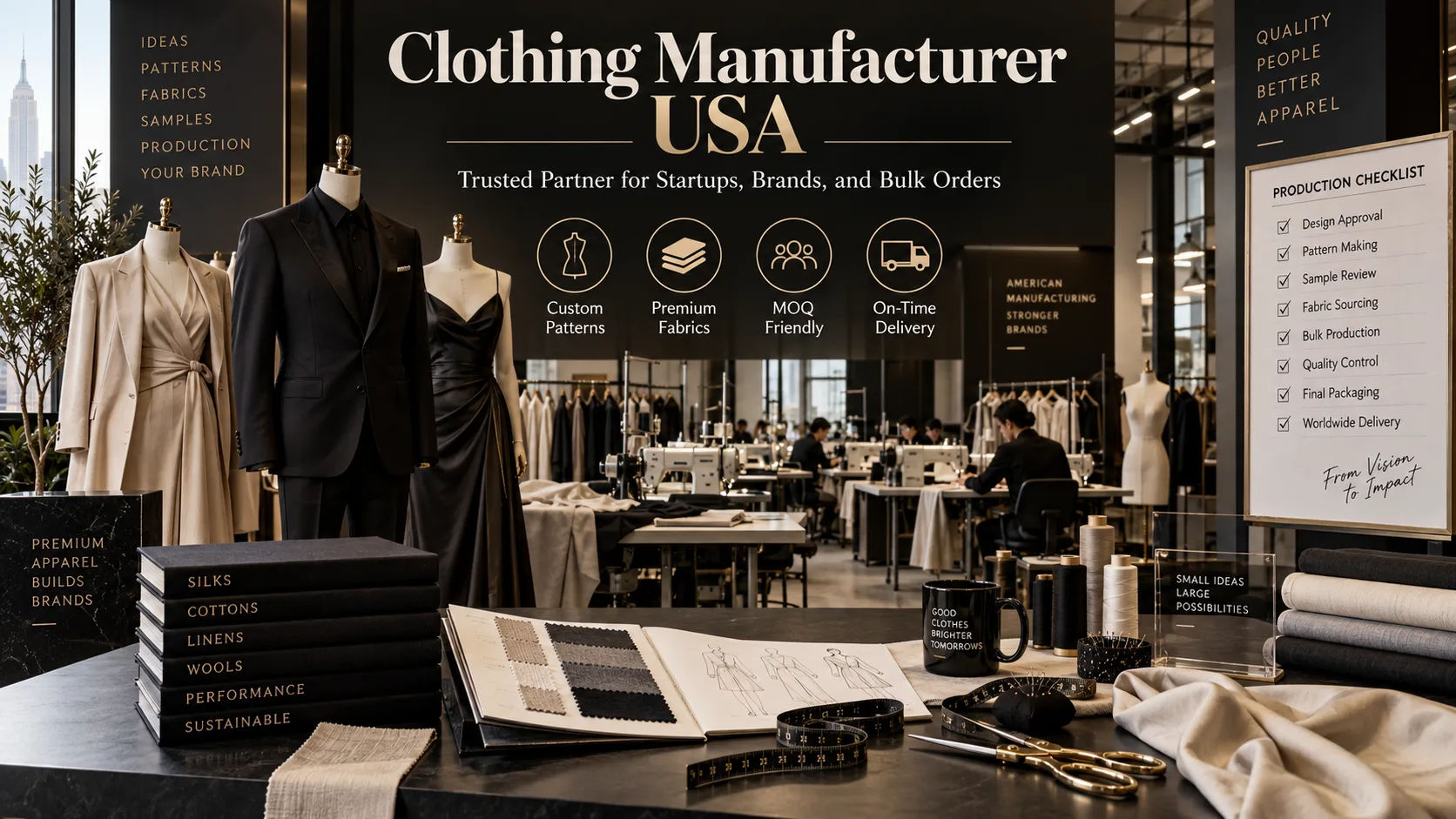 A wholesale clothing supplier USA typically serves retailers, online stores, boutiques, clothing brands, promotional businesses, and other companies that need apparel at wholesale prices. Instead of purchasing individual garments at retail rates, buyers can order larger quantities and build their inventory more efficiently.
A wholesale apparel supplier USA can provide much more than basic T-shirts and sweatshirts. Depending on the supplier, businesses may find casualwear, activewear, outerwear, uniforms, fashion basics, accessories, private-label products, and customizable garments. The real value comes from having access to products, bulk pricing, sizing options, dependable fulfillment, and services designed around business needs.
Understanding what these suppliers actually provide helps buyers choose the right partner instead of simply selecting the company with the lowest price. A cheap garment is not necessarily a good wholesale purchase if its quality is inconsistent, sizing changes between batches, or delivery is unreliable.
What Is a Wholesale Clothing Supplier?
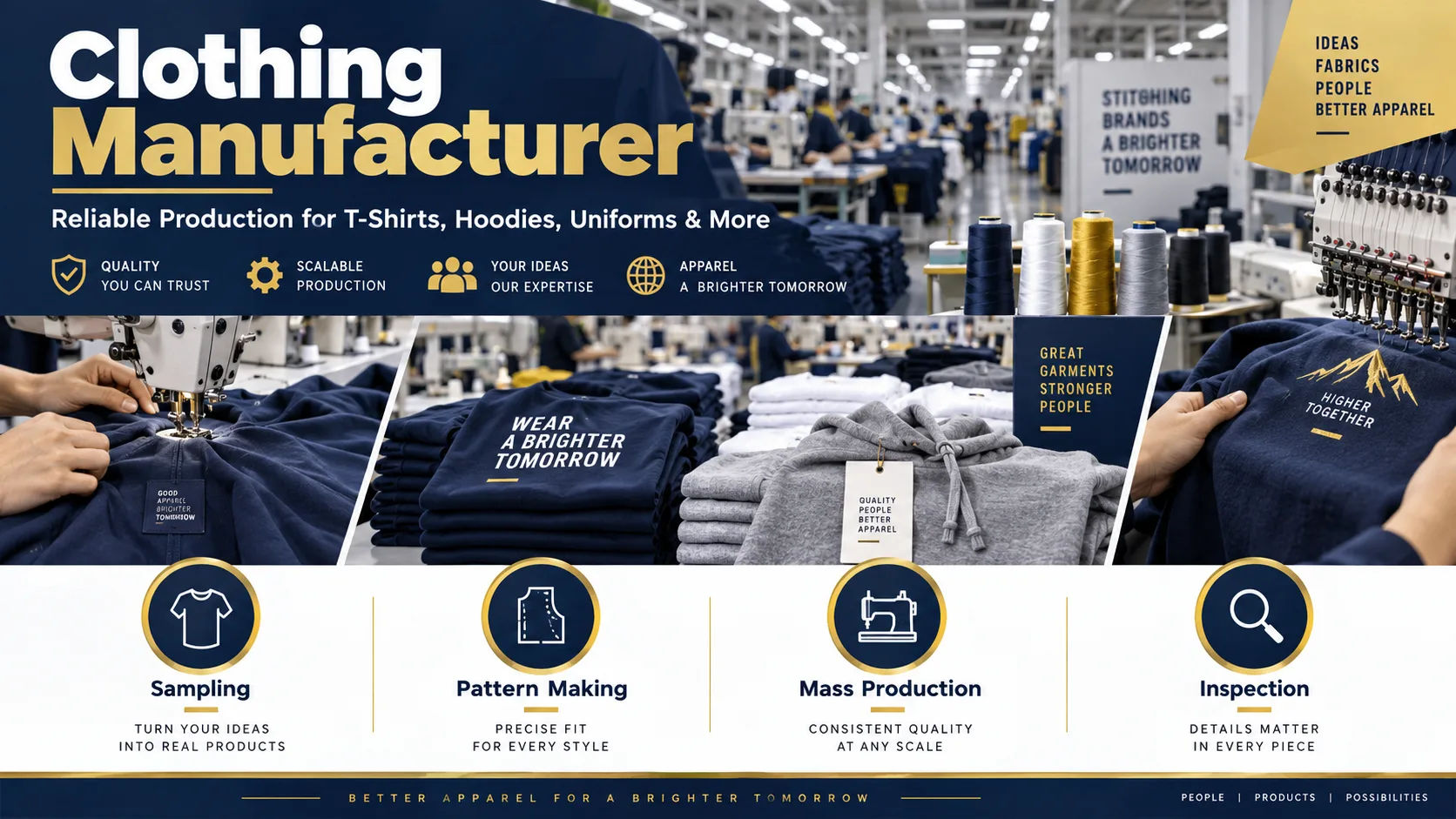
A wholesale clothing supplier purchases, manufactures, imports, or distributes apparel in quantities intended for business customers. These suppliers usually work with retailers and other organizations rather than individual shoppers.
The wholesale model allows businesses to purchase clothing at lower per-unit prices because they are ordering multiple pieces. The exact price depends on the product, quantity, fabric, brand, customization, and supplier.
A wholesale apparel supplier USA may operate as a manufacturer, distributor, wholesaler, or a combination of these roles. Some companies manufacture their own products, while others source clothing from different factories and maintain large inventories in U.S. warehouses.
This distinction matters. A manufacturer may offer more customization, while a distributor may provide a broader selection of ready-to-ship products.
Basic Apparel Products
The most obvious service provided by wholesale clothing suppliers is access to bulk apparel.
T-Shirts
T-shirts are among the most common wholesale products. Suppliers may offer crew neck, V-neck, heavyweight, lightweight, fitted, oversized, long-sleeve, and performance options.
Businesses can choose different fabric weights and blends depending on their customers. Cotton is popular for everyday clothing, while polyester and blended fabrics are often selected for sportswear and performance applications.
Hoodies and Sweatshirts
Hoodies and sweatshirts are also major wholesale categories. Buyers can usually choose from pullover hoodies, zip-up hoodies, crewneck sweatshirts, fleece products, and heavier winter styles.
A retailer may purchase blank hoodies for screen printing, embroidery, or direct-to-garment decoration.
Tank Tops and Casual Tops
Tank tops, crop tops, polos, and other casual garments are frequently available through wholesale suppliers. These products can be useful for fashion stores, fitness businesses, summer collections, and promotional campaigns.
Wholesale Activewear and Sportswear
Many businesses now sell clothing designed specifically for exercise and active lifestyles. A wholesale apparel supplier USA may therefore provide activewear alongside traditional casual clothing.
Common products include leggings, sports bras, athletic shorts, joggers, performance T-shirts, compression garments, tracksuits, and moisture-wicking tops.
Performance clothing usually requires different fabric technology than ordinary casualwear. Buyers should examine stretch, breathability, moisture management, durability, and colorfastness before placing large orders.
This is particularly important for businesses selling fitness apparel under their own brand. Customers tend to notice poor fabric performance quickly, especially when clothing is marketed as athletic wear.
Outerwear and Seasonal Clothing
Wholesale suppliers can also provide garments designed for colder or changing weather.
These may include jackets, windbreakers, vests, coats, fleece layers, rain-resistant products, and insulated outerwear.
Seasonal purchasing requires more planning than buying basic T-shirts. Retailers need to consider when products will arrive and how long they will remain relevant in their market.
A supplier with organized inventory and predictable shipping can make seasonal buying much easier.
Wholesale Uniforms and Workwear
Clothing suppliers also serve businesses that need uniforms and professional workwear.
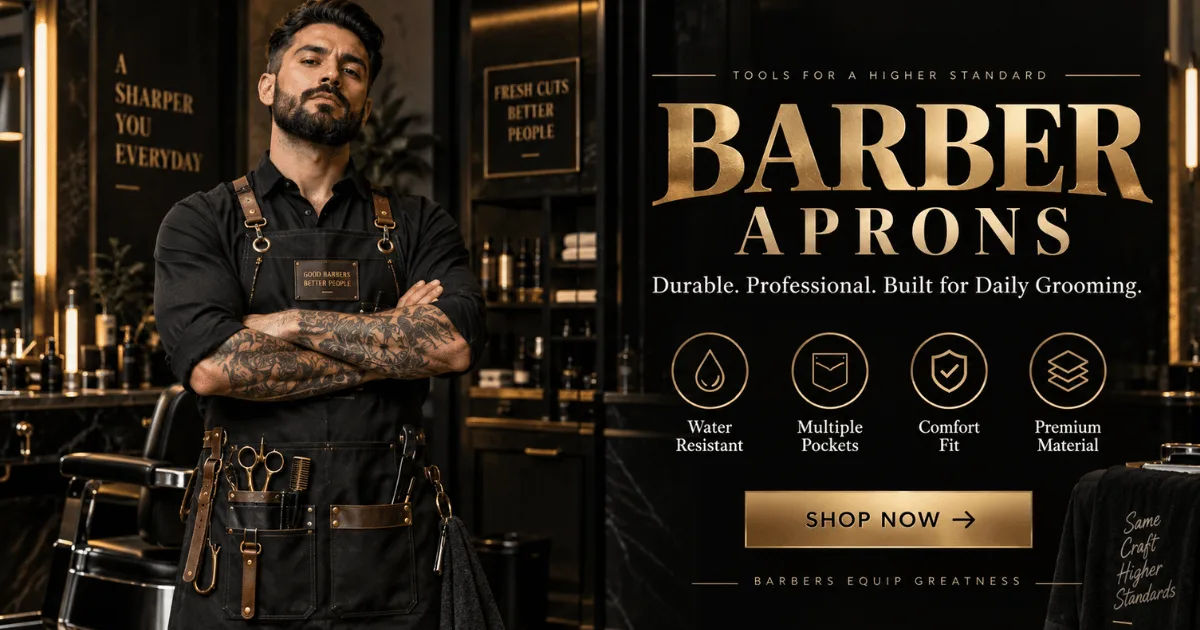
Products may include polo shirts, button-down shirts, work pants, jackets, safety garments, aprons, scrubs, and other workplace clothing.
Restaurants, construction companies, cleaning businesses, delivery companies, schools, healthcare organizations, and service businesses may all purchase apparel in bulk.
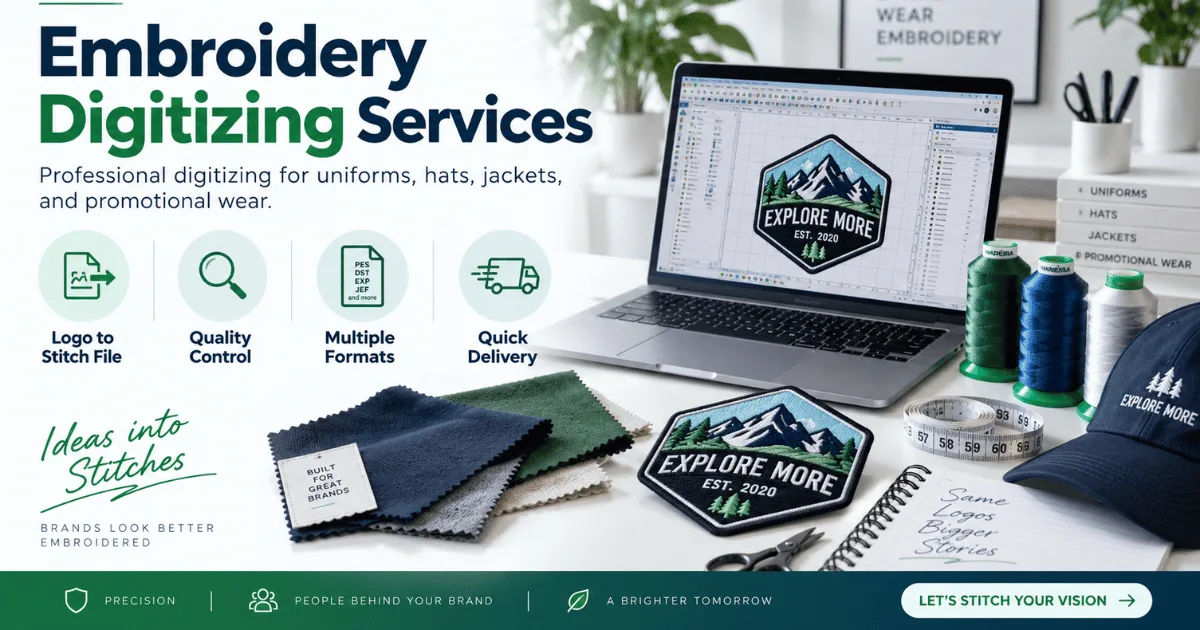
Some suppliers also support embroidery or printing so that businesses can add logos, employee names, department information, or other branding.
Blank Apparel for Customization
Blank clothing is another important service. Many clothing businesses do not want to sell garments exactly as they arrive from the supplier. Instead, they purchase blank apparel and add their own designs.
A wholesale apparel supplier USA may provide blank garments specifically intended for screen printing, embroidery, heat transfer, sublimation, or other decoration methods.
This gives clothing brands greater flexibility.
For example, a business can purchase blank heavyweight T-shirts, add its own artwork, attach branded labels, and sell the finished product under its own identity.
Private Label Services
Some wholesale suppliers go beyond supplying blank garments and provide private-label services.
Private labeling allows a business to sell clothing under its own brand name without operating its own manufacturing facility.
Depending on the supplier, services may include custom labels, neck labels, hangtags, packaging, custom colors, fabric selection, and branded finishing.
This can be particularly useful for startups that want a professional product without investing in their own production equipment.
However, private-label services vary considerably between suppliers. Buyers should confirm exactly what is included before agreeing to production.
Custom Clothing Manufacturing
A more advanced wholesale apparel supplier USA may provide custom manufacturing.
Instead of selecting an existing garment from a catalog, the buyer can provide specifications for a completely new product.
These specifications may include fabric composition, garment measurements, colors, stitching, pockets, trims, closures, artwork, labels, and packaging.
Custom manufacturing normally requires more planning than purchasing ready-made inventory. Samples may need to be created and approved before bulk production begins.
For brands building a unique collection, this additional process can be worthwhile because it creates products that are less interchangeable with competitors' merchandise.
Different Fabric Options
Wholesale suppliers often provide clothing made from various fabrics and blends.
Cotton remains popular because it is comfortable and versatile. Polyester is common in performance clothing because of its durability and moisture-management properties.
Cotton-polyester blends can provide a balance between comfort and durability.
Other materials may include rayon, viscose, nylon, fleece, organic cotton, recycled polyester, and specialty performance fabrics.
The right fabric depends on the intended product. A heavyweight streetwear sweatshirt requires different characteristics than a lightweight running shirt.
Size and Color Selection
A major benefit of wholesale clothing suppliers is access to multiple sizes and colors.
Depending on the supplier, buyers may find standard adult sizes ranging from small to several extra-large sizes. Some suppliers also offer youth, children's, plus-size, and extended-size options.
Color availability can also be extensive.
Retailers should not assume that every color is available in every size. Before ordering, it is smart to check the actual inventory or production availability for each variant.
Bulk Pricing and Quantity Discounts
Wholesale purchasing is primarily attractive because of pricing.
The more units a business purchases, the lower the per-unit price may become. However, pricing structures differ between suppliers.
Some offer tiered pricing based on quantity. Others establish minimum order quantities for particular products.
A wholesale apparel supplier USA may also offer better pricing for repeat customers or larger accounts.
Buyers should calculate the complete cost rather than looking only at the garment price. Shipping, decoration, labels, packaging, customs, and other charges can affect the actual landed cost.
Sampling and Product Evaluation
Samples are extremely useful when purchasing apparel in bulk.
A supplier may provide samples so buyers can evaluate fabric, stitching, sizing, printing surfaces, color, weight, and overall construction before committing to a large order.
This is especially important for new products.
Product photographs can be misleading. A shirt may look substantial online but feel much thinner when handled in person. Likewise, measurements shown on a product page may not communicate how the garment actually fits.
A sample gives the buyer an opportunity to identify problems before they affect hundreds or thousands of units.
Quality Control
Reliable wholesale suppliers should have some form of quality-control process.
Quality control can involve checking fabric, measurements, stitching, color, printing, labeling, packaging, and finished garments.
For larger orders, buyers should ask how defects are handled.
A professional wholesale apparel supplier USA should be able to explain its inspection process and provide clear policies for damaged or incorrect merchandise.
Consistency is particularly important for growing brands. Customers expect the same product to feel and fit similarly when they purchase it again.
Inventory and Stock Availability
Stock availability is another important service.
Some suppliers maintain large warehouses containing ready-to-ship inventory. This allows businesses to reorder popular products without waiting for a new production cycle.
Others primarily manufacture products after receiving an order.
Neither approach is automatically better. Ready-stock suppliers can be useful for quick fulfillment, while manufacturers may provide greater customization.
Businesses should choose based on their sales model and inventory requirements.
Order Fulfillment and Shipping
Wholesale suppliers may also handle order processing, packing, and shipping.
U.S.-based inventory can provide an advantage for domestic buyers because products may reach customers faster than shipments originating overseas.
Shipping options vary according to order size and supplier location.
Before placing an order, buyers should confirm processing times, estimated shipping times, freight costs, and the carrier arrangements used by the supplier.
Fast delivery is valuable, but predictable delivery is even more important for businesses managing launches and seasonal collections.
Branding and Packaging
Some suppliers provide branding services beyond garment manufacturing.
These can include woven labels, printed labels, hangtags, stickers, custom polybags, boxes, tissue paper, and other packaging elements.
Branding can make a basic garment feel more like a finished retail product.
For an emerging clothing company, having a supplier handle multiple stages can simplify operations and reduce the number of separate vendors involved in production.
Support for Retailers and Online Stores
Wholesale clothing suppliers serve many types of businesses.
Brick-and-mortar boutiques may purchase seasonal collections. Online clothing stores may order products for direct-to-consumer sales.
Print shops can purchase blank garments, while promotional companies may need large quantities for corporate events.
A wholesale apparel supplier USA can therefore support different business models rather than serving only traditional clothing stores.
Some suppliers also provide product information, size charts, color information, inventory updates, and reorder support.
What Should Buyers Check Before Ordering?
Choosing a supplier requires more than comparing prices.
First, examine product quality. Request samples whenever possible.
Second, review minimum order quantities. A low unit price is not helpful if the required order is far larger than your actual demand.
Third, check sizing carefully. A supplier's size chart should match the actual garment measurements.
Fourth, ask about lead times. This becomes especially important for custom manufacturing.
Fifth, understand return, replacement, and defective-product policies.
Finally, consider communication. If a supplier takes days to answer basic questions before receiving an order, communication may become even more difficult during production.
Wholesale Supplier vs. Retail Supplier
The biggest difference between wholesale and retail purchasing is the business model.
Retail suppliers generally sell individual garments or small quantities at higher per-unit prices.
Wholesale suppliers focus on larger orders and lower per-unit costs.
For a clothing business, wholesale purchasing usually makes more sense when products are expected to sell consistently.
However, buying too much inventory can create another problem. Unsold apparel ties up money and storage space.
The goal is not simply to purchase the largest possible quantity. It is to purchase an appropriate quantity at a sustainable cost.
How to Choose the Right Supplier
A good wholesale apparel supplier USA should match your actual business requirements.
If you need fast-moving basics, look for strong inventory availability and quick fulfillment.
If you are building a private-label brand, focus more heavily on customization, sampling, labeling, and production capabilities.
If you operate a printing business, prioritize blank apparel variety, fabric compatibility, and consistent sizing.
If you sell activewear, examine fabric performance and construction rather than relying only on attractive product photography.
The best supplier is the one that fits your workflow, quality expectations, budget, and customers.
Common Mistakes When Buying Wholesale Clothing
One common mistake is focusing entirely on price.
The cheapest garment may have poor stitching, inconsistent sizing, weak fabric, or high defect rates.
Another mistake is ordering too much inventory before testing the market.
Businesses can also overlook shipping expenses. A low product price can become expensive once freight and handling are included.
Ignoring samples is another avoidable mistake.
A few sample pieces can reveal problems that would otherwise become expensive after a large production order.
Finally, buyers sometimes fail to communicate specifications clearly. For custom products, measurements, colors, artwork, fabrics, labels, and packaging requirements should be documented rather than discussed casually.
Conclusion
A wholesale clothing supplier can provide far more than inexpensive garments. Depending on the company, buyers can access T-shirts, hoodies, activewear, outerwear, uniforms, workwear, blank apparel, private-label products, custom manufacturing, branding, packaging, quality control, inventory management, and shipping services.
A wholesale apparel supplier USA can be particularly useful for businesses that want reliable access to clothing without building their own manufacturing operation. Retailers can purchase ready-made products, while clothing brands can use customization and private-label services to create a more distinctive collection.
The most important point is to evaluate the entire supplier relationship rather than judging a company solely by its wholesale price. Product quality, sizing consistency, minimum order quantities, lead times, customization capabilities, inventory, communication, and shipping all affect the actual value of a wholesale order.
Businesses should also test products before committing to large quantities. Samples provide a practical way to inspect fabric, construction, measurements, and overall quality.
Ultimately, the right wholesale apparel supplier USA should make your business easier to operate, not create additional problems. A dependable supplier can help maintain consistent inventory, control product costs, support branding, and provide the flexibility needed as a clothing business grows.
For buyers who take the time to compare suppliers carefully and understand exactly what is included in each order, wholesale purchasing can become a reliable part of a successful apparel business.
About the Author