If you are planning to build muscle, improve recovery, or support your fitness goals, understanding the protein powder price in Pakistan is just as important as choosing the right supplement.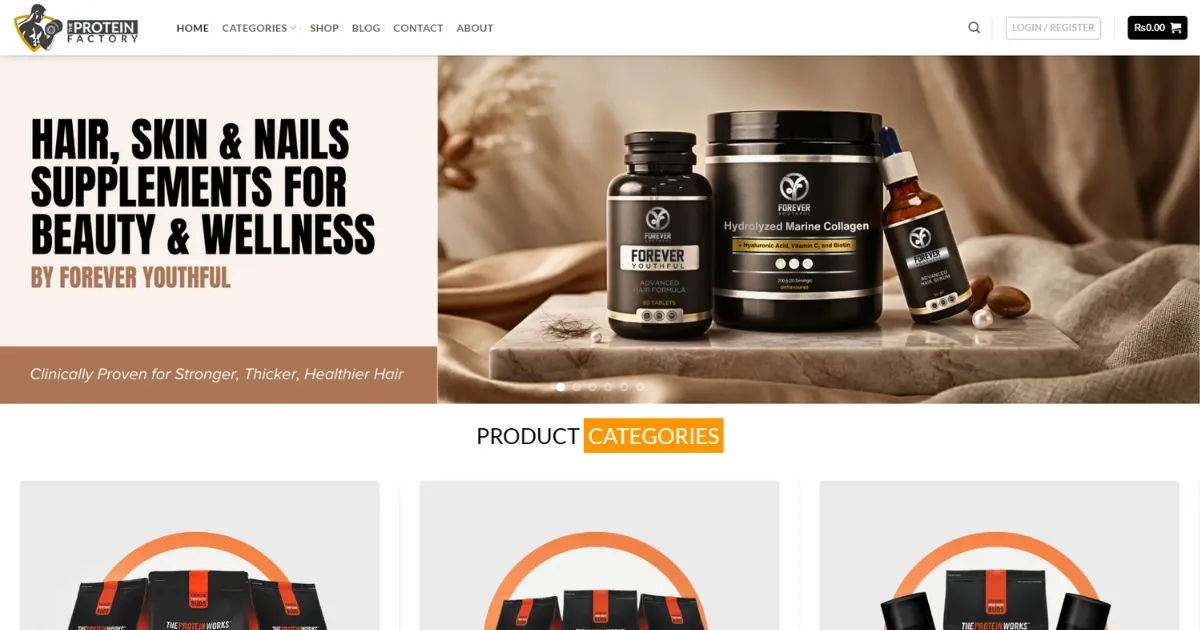
Many gym users focus only on brands or flavors, but price, quality, ingredients, and authenticity all play a major role in getting the best value for money.The protein powder price in Pakistan varies depending on the brand, protein type, imported or local manufacturing, container size, and seller.
Some products are affordable for beginners, while premium international brands can cost significantly more. Before making a purchase, it is essential to understand what affects pricing and how to choose a product that fits your goals and budget.This guide explains everything gym users should know before buying protein powder in Pakistan. Whether you are a beginner or an experienced athlete, this article will help you make an informed decision.
Why Protein Powder Is Popular Among Gym Users
Protein is one of the most important nutrients for anyone who exercises regularly. It helps repair muscle tissue after workouts, supports muscle growth, and contributes to overall strength and recovery.
Although many people can meet their protein needs through food, protein powder provides a convenient solution for busy individuals. A single serving can offer a high amount of protein without requiring meal preparation.
Gym users often choose protein powder because it is easy to mix with water or milk, portable, and available in many flavors. It can be consumed after workouts, between meals, or whenever extra protein is needed.
Why Protein Powder Prices Differ
Many people wonder why one product costs twice as much as another. Several factors influence the final retail price.
Brand Reputation
Well-known international brands usually invest heavily in research, manufacturing standards, and quality testing. These factors often increase the selling price.
Less popular or local brands may offer lower prices, but buyers should still verify product quality before purchasing.
Type of Protein
Different types of protein powders come with different price ranges.
Common options include:
-
Whey protein concentrate
-
Whey protein isolate
-
Hydrolyzed whey protein
-
Casein protein
-
Plant-based protein
Whey isolate generally costs more because it contains a higher percentage of protein and less fat and lactose.
Imported vs. Local Products
Imported protein powders usually cost more due to customs duties, shipping charges, and currency exchange rates.
Local products may be less expensive, making them attractive for budget-conscious buyers.
Container Size
Larger containers usually have a lower cost per serving compared to smaller tubs.
For example, a 5-pound container often provides better value than buying several smaller packs.
Currency Exchange
Many supplements sold in Pakistan are imported. Changes in exchange rates directly affect the protein powder price in Pakistan. When the Pakistani Rupee weakens against foreign currencies, supplement prices often increase.
Average Protein Powder Price Range
Prices change frequently due to market conditions, but protein powders generally fall into several categories.
Budget Products
These are suitable for beginners who want affordable supplements.
They often contain whey concentrate and basic ingredients.
Mid-Range Products
These offer better protein quality, improved flavor, and more servings.
Many regular gym users find this category provides the best balance between quality and cost.
Premium Products
Premium supplements often feature whey isolate, hydrolyzed protein, advanced filtration methods, and third-party quality testing.
These products usually cost more but may provide cleaner nutrition.
What Affects Value More Than Price
Many buyers only compare prices, but value matters more.
A cheaper protein powder may not actually save money if each serving contains less protein or more fillers.
Always compare:
-
Protein per serving
-
Number of servings
-
Ingredient quality
-
Amino acid profile
-
Manufacturing standards
-
Customer reviews
Looking beyond the label helps you make a smarter purchase.
Understanding Protein Content
Not every scoop contains the same amount of protein.
Some products provide:
-
20 grams
-
24 grams
-
25 grams
-
30 grams
Higher protein content generally offers better nutritional value, although serving size should also be considered.
Reading the Nutrition Label
The nutrition label provides valuable information.
Look for:
Protein Amount
Choose products with a high percentage of protein relative to serving size.
Carbohydrates
Mass gainers contain more carbohydrates.
Regular whey proteins usually contain fewer carbohydrates.
Fat
Lower-fat products are often preferred by people trying to lose weight.
Sugar
Some flavored products contain added sugars.
Choosing lower-sugar options may support healthier eating habits.
Calories
Different protein powders contain different calorie levels depending on their intended use.
Different Types of Protein Powder
Whey Protein Concentrate
This is the most common choice.
It provides excellent value and contains essential amino acids for muscle recovery.
Whey Protein Isolate
This protein contains less lactose and more protein per serving.
Many athletes choose isolate during fat-loss phases.
Hydrolyzed Whey
Hydrolyzed protein is partially broken down for faster digestion.
It is often the most expensive option.
Casein Protein
Casein digests slowly.
Many people consume it before bedtime.
Plant Protein
Plant-based proteins are suitable for vegetarians and individuals with dairy allergies.
Common sources include:
-
Pea protein
-
Rice protein
-
Soy protein
Choosing Protein According to Fitness Goals
Different goals require different products.
Muscle Gain
Individuals aiming to gain muscle usually prioritize higher daily protein intake along with sufficient calories.
Weight Loss
People losing weight often prefer high-protein, low-carbohydrate products.
General Fitness
Those exercising a few times each week may simply choose an affordable whey protein that fits their budget.
Should Beginners Buy Expensive Protein?
Not necessarily.
Beginners often see excellent results with basic whey protein combined with:
-
Regular workouts
-
Proper sleep
-
Balanced nutrition
Expensive supplements cannot replace consistent training.
How to Identify Authentic Products
Counterfeit supplements remain a concern.
Before purchasing, check:
-
Original packaging
-
Security seal
-
Manufacturing date
-
Expiry date
-
Batch number
-
Import information
Buying from trusted sellers reduces the risk of fake products.
Online vs. Physical Stores
Both shopping methods have advantages.
Online Shopping
Benefits include:
-
Larger variety
-
Easy price comparison
-
Home delivery
-
Frequent discounts
However, always verify the seller's reputation.
Physical Stores
Physical stores allow customers to inspect packaging before purchasing.
Store staff may also answer product-related questions.
Best Time to Buy Protein Powder
Prices often change during:
-
Seasonal sales
-
Fitness promotions
-
Shopping festivals
-
Clearance events
Buying larger containers during discounts may save money over time.
Should You Buy Large Containers?
Large tubs usually reduce the cost per serving.
However, only purchase a large container if:
-
You like the flavor.
-
The product suits your digestion.
-
You will finish it before the expiry date.
Common Mistakes Buyers Make
Many first-time buyers make avoidable mistakes.
These include:
-
Buying based only on advertisements.
-
Ignoring ingredient labels.
-
Choosing the cheapest option.
-
Purchasing from unknown sellers.
-
Expecting instant muscle growth.
Understanding supplements helps prevent disappointment.
Does Expensive Always Mean Better?
Not always.
Some mid-range products perform just as well as premium brands.
The most suitable protein powder depends on:
-
Daily protein requirements
-
Budget
-
Workout intensity
-
Dietary preferences
Instead of chasing the highest price, focus on overall quality.
Protein Powder and Daily Diet
Protein powder should supplement your meals rather than replace them.
Good protein-rich foods include:
-
Eggs
-
Chicken
-
Fish
-
Beef
-
Lentils
-
Beans
-
Yogurt
-
Cottage cheese
-
Milk
Combining whole foods with protein supplements creates a balanced diet.
How Much Protein Do Gym Users Need?
Protein needs vary based on activity level.
Most active individuals require more protein than sedentary adults.
Factors affecting protein requirements include:
-
Body weight
-
Exercise intensity
-
Fitness goals
-
Age
-
Recovery needs
A qualified nutrition professional can recommend appropriate daily intake.
Is Protein Powder Safe?
For healthy adults, quality protein powders are generally considered safe when consumed according to recommended serving sizes.
People with kidney disease or other medical conditions should consult a healthcare provider before using supplements.
Hydration is also important when increasing protein intake.
Storage Tips
Proper storage maintains product quality.
Store protein powder:
-
In a cool place.
-
Away from sunlight.
-
With the lid tightly closed.
-
In a dry environment.
Avoid exposing the container to moisture.
Budget Planning for Supplements
Gym users should include supplements within their monthly fitness budget.
Remember that expenses may include:
-
Gym membership
-
Healthy food
-
Protein powder
-
Vitamins
-
Workout accessories
Planning ahead helps avoid unnecessary spending.
Is Buying Protein Powder an Investment?
Many fitness enthusiasts view protein powder as an investment in their health and performance.
However, supplements only support a healthy lifestyle.
Consistent exercise, quality sleep, stress management, and nutritious meals remain the foundation of long-term fitness success.
Tips for Getting the Best Value
When comparing products, consider these practical tips:
-
Compare cost per serving instead of total price.
-
Check protein percentage.
-
Read verified customer reviews.
-
Buy from trusted retailers.
-
Watch for seasonal discounts.
-
Avoid counterfeit products.
-
Choose the right protein type for your goals.
-
Don't pay extra for unnecessary marketing claims.
Making informed choices often provides better results than simply buying the most expensive option.
Conclusion
Understanding the protein powder price in Pakistan helps gym users make smarter purchasing decisions and avoid wasting money on products that do not match their fitness goals. Prices vary because of brand reputation, protein type, import costs, packaging size, ingredient quality, and market conditions. Instead of focusing only on the lowest or highest price, buyers should evaluate protein content, nutritional value, authenticity, and overall cost per serving.
The best supplement is not always the most expensive one. A high-quality protein powder that fits your nutritional needs, budget, and training routine can support muscle recovery, strength development, and overall health when combined with regular exercise and a balanced diet. Always purchase from reliable sellers, read product labels carefully, and compare options before making a decision.
By understanding the factors that influence the protein powder price in Pakistan, gym users can shop confidently, protect themselves from counterfeit products, and invest wisely in supplements that contribute to their long-term fitness journey.
About the Author