Coloring your hair is a great way to refresh your appearance, express your personality, and try a new style. Whether you prefer golden brown, burgundy, chocolate brown, ash blonde, caramel highlights, or vibrant red, maintaining colored hair requires special attention. Hair coloring can change the structure of your hair, making it more sensitive to heat, dryness, and environmental damage. Choosing the right products is therefore essential for keeping your hair soft, shiny, and healthy.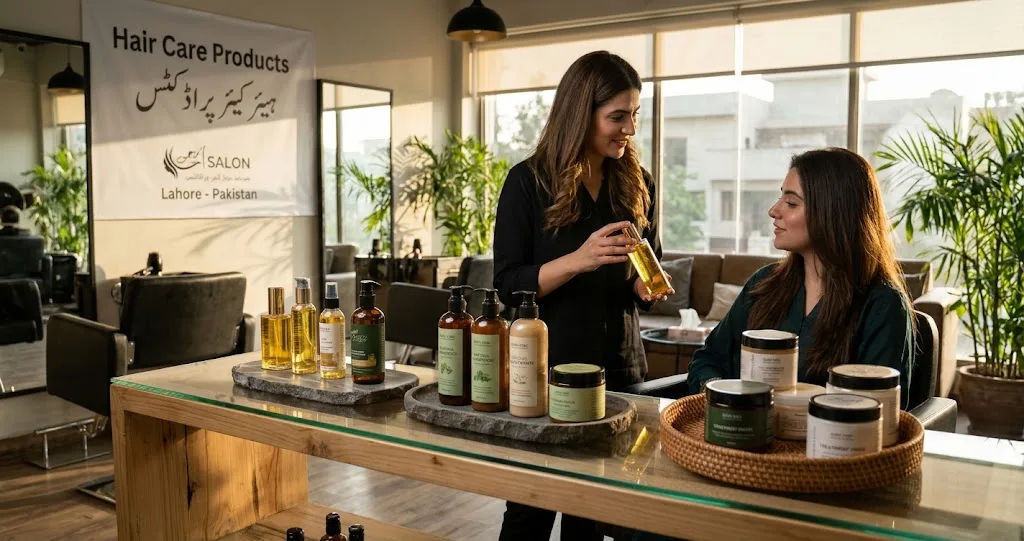
Many people notice that their hair becomes dry, rough, or difficult to manage after coloring. Others find that their beautiful hair color fades faster than expected. These problems can often be reduced with a suitable hair care routine and products designed for chemically treated hair.
In Pakistan, the climate, water quality, and seasonal changes can influence how colored hair looks and feels. Hot weather, strong sunlight, dust, humidity, and frequent washing may affect both hair texture and color retention. Selecting the right hair care products pakistan offers can help you maintain your desired shade while protecting your hair from unnecessary damage. The most effective routine usually includes a gentle shampoo, a nourishing conditioner, a weekly hair mask, and a heat protectant when using styling tools.
Understanding your hair type and color treatment will help you make better purchasing decisions. Instead of choosing products based only on popularity or packaging, look for formulas that address your specific concerns.
The Needs of Colored Hair
Before choosing products, it is important to understand how hair coloring affects your hair.
Hair dyes work differently depending on their formulation. Permanent dyes usually alter the hair's natural pigment through chemical processes, while semi-permanent colors mainly deposit color onto the hair. Bleaching removes natural pigment and can cause more noticeable dryness and damage.
These processes may leave the hair cuticle less smooth, making strands more vulnerable to moisture loss, tangling, and breakage.
Why Colored Hair Needs Special Care
Colored hair often needs more moisture and gentle cleansing than untreated hair. Strong shampoos can remove natural oils and contribute to faster color fading.
Bleached or highlighted hair may also become more porous. Porous hair absorbs water quickly but can lose moisture just as easily. This can make the hair feel rough and cause the color to appear dull.
Products formulated for color-treated hair are designed to help maintain the hair's appearance while reducing unnecessary stress from washing and styling.
Common Problems After Hair Coloring
Some of the most common concerns include:
-
Dryness and rough texture.
-
Fading or uneven color.
-
Split ends and breakage.
-
Frizz and tangling.
-
Reduced shine.
-
Brassiness in blonde, grey, or highlighted hair.
Different concerns require different solutions. For example, a moisturizing conditioner can improve softness, while a purple shampoo may help neutralize unwanted yellow tones in blonde hair.
Identifying your main concern makes it easier to select products that deliver useful results.
Best Types of Hair Care Products in Pakistan for Colored Hair
The market offers many shampoos, conditioners, masks, oils, and styling products. However, not every product is suitable for chemically treated hair.
When comparing hair care products pakistan retailers offer, prioritize formulas that support moisture retention, gentle cleansing, and color maintenance.
1. Sulfate-Free Shampoo
A gentle shampoo is one of the most important products for colored hair.
Some traditional shampoos contain strong cleansing agents that remove oil and product buildup effectively. However, frequent use of a harsh formula may leave colored hair feeling dry.
Sulfate-free shampoos use alternative cleansing ingredients and can be a useful option for people who experience dryness or fading after washing.
Look for shampoos labeled for color-treated hair. Ingredients such as glycerin, panthenol, and certain conditioning agents can help improve the feel of the hair.
Sulfate-free does not automatically mean that a shampoo is perfect for everyone. The overall formula matters, and some people may need stronger cleansing occasionally to remove heavy product buildup.
How to use it: Wet your hair thoroughly, apply shampoo mainly to the scalp, and massage gently with your fingertips. Allow the lather to rinse through the lengths without aggressively rubbing the hair.
Wash as often as your scalp requires rather than following a rigid schedule.
2. Color-Protecting Conditioner
Conditioner should be a regular part of your routine after shampooing.
Colored hair can become tangled because chemical processing affects its surface. Conditioner helps improve smoothness, reduce friction, and make detangling easier.
Look for ingredients such as fatty alcohols, behentrimonium compounds, silicones, and conditioning oils. These ingredients can help soften the hair and improve manageability.
Apply conditioner mainly to the middle lengths and ends, especially if your scalp becomes oily quickly.
Leave it on for the period recommended on the packaging before rinsing thoroughly.
People with fine hair may prefer lightweight conditioners, while thick, curly, or bleached hair may benefit from richer formulas.
3. Deep Conditioning Hair Masks
A hair mask provides more intensive conditioning than many everyday conditioners.
It can be particularly useful for hair that has undergone bleaching, repeated coloring, or frequent heat styling.
Depending on the formulation, a mask may contain shea butter, glycerin, fatty alcohols, oils, proteins, or other conditioning ingredients.
These ingredients can help improve softness, reduce friction, and make damaged-looking hair easier to manage.
Use a mask approximately once a week or according to the product instructions. Apply it to clean, damp hair and concentrate on the lengths and ends.
Avoid assuming that a more expensive mask will always deliver better results. Choose one based on your hair's condition and how it responds to the formula.
If your hair becomes stiff or feels coated after using protein-rich treatments, consider alternating them with a moisturizing product.
4. Leave-In Conditioner
Leave-in conditioner is useful for people whose colored hair becomes tangled or frizzy during the day.
Unlike rinse-out conditioner, it remains on the hair after application. It can provide additional slip, reduce friction, and make brushing easier.
Lightweight sprays are often suitable for fine hair, while creams may work better for thick, curly, or highly processed hair.
Apply a small amount to damp hair, focusing on the middle lengths and ends. Avoid applying too much near the roots if your scalp is naturally oily.
A leave-in product can also help protect the hair from some everyday mechanical damage caused by brushing, clothing, and styling.
However, it should not replace a dedicated heat protectant when you use a hot styling tool.
5. Hair Oils and Serums
Hair oils and serums can improve shine and reduce the appearance of dryness.
Argan oil, coconut oil, and other conditioning oils are commonly used in hair care products. Their effects differ depending on the formulation and how they are applied.
Coconut oil, for example, has evidence supporting its ability to reduce protein loss from hair under certain conditions. Argan oil is commonly used in cosmetic formulas for its conditioning and smoothing properties.
Silicone-based serums can also help reduce friction and make hair appear smoother.
Use a small amount on the lengths and ends. Applying excessive oil may make the hair greasy or cause buildup.
Oils and serums do not permanently repair split ends. Trimming damaged ends remains the most reliable way to remove them.
Choosing Products According to Your Hair Color
Different shades can have different maintenance needs. Selecting products according to your color treatment may help you maintain the appearance you want.
Products for Blonde and Bleached Hair
Blonde hair, especially bleached hair, may require additional conditioning because lightening can increase porosity and weaken the hair structure.
A moisturizing shampoo, rich conditioner, and weekly mask can help improve softness and manageability.
Purple shampoo may be useful when blonde or highlighted hair develops unwanted yellow tones. Purple pigments help counteract yellow because the colors sit opposite one another on the color wheel.
However, purple shampoo is not a substitute for regular shampoo and conditioner. Using it too frequently may leave the hair looking dull or slightly violet, particularly if the hair is very porous.
Follow the product instructions and adjust how often you use it according to the results.
Products for Brown and Chocolate Hair
Brown and chocolate shades often look their best when the hair has a smooth surface and healthy-looking shine.
A gentle color-safe shampoo and moisturizing conditioner are usually a good starting point.
If your brown hair has been lightened before coloring, it may require more intensive conditioning than naturally dark hair.
A lightweight serum can help enhance shine, while a weekly mask may improve the feel of dry ends.
Avoid excessive heat styling because repeated high temperatures can contribute to dryness and affect the appearance of colored hair.
Products for Red and Burgundy Hair
Red and burgundy shades can lose their vibrancy relatively quickly because some red color molecules are easily lost during washing.
Use a gentle shampoo and avoid unnecessarily frequent washing.
Cool or lukewarm water is generally preferable to very hot water when washing colored hair. Although water temperature alone will not determine color retention, hot water can increase discomfort and dryness for some people.
A color-depositing conditioner or color-refreshing mask designed for red hair may help maintain the appearance of the shade between salon visits.
Always test a new color-depositing product on a small section first, especially if your hair has uneven porosity.
Products for Grey and Silver Hair
Grey, silver, and platinum shades may develop yellow or brassy tones over time.
A purple or blue-toning product may help, depending on the unwanted tone. Purple is generally used for yellow tones, while blue is often used to counteract orange tones.
A moisturizing conditioner is particularly important for hair that has been bleached to achieve a silver shade.
Use toning products carefully because excessive pigment can produce uneven results, especially on porous sections.
Important Ingredients to Look For
Reading ingredient labels can help you make informed choices when buying hair products.
Moisturizing Ingredients
Glycerin is a humectant that helps attract and retain water under suitable conditions. Panthenol is commonly used to condition hair and improve its feel.
Aloe vera and certain plant extracts may also appear in moisturizing formulas, although their effects depend on the complete formulation.
These ingredients can be helpful when colored hair feels dry or difficult to manage.
Conditioning Ingredients
Ingredients such as cetearyl alcohol and cetyl alcohol are fatty alcohols. Unlike drying alcohols, they are commonly used to soften hair and improve the texture of conditioners.
Behentrimonium compounds help condition hair and reduce static.
Silicones, including dimethicone and amodimethicone, can help smooth the hair surface, reduce friction, and improve shine.
These ingredients are not automatically unsuitable for colored hair. Their usefulness depends on your hair type, the formula, and how frequently you wash your hair.
Protein-Based Ingredients
Hydrolyzed proteins, such as hydrolyzed wheat or keratin, may temporarily improve the feel and strength of damaged hair by forming films or interacting with the hair surface.
However, protein treatments cannot restore hair to its original, undamaged state.
If your hair feels overly stiff after using a protein-heavy product, reduce its frequency and focus on conditioning.
Ingredients and Products to Use Carefully
Colored hair does not require avoiding every strong ingredient. Instead, choose products according to your needs and use them appropriately.
Harsh Cleansing Formulas
Some highly cleansing shampoos may leave dry or bleached hair feeling rough, particularly when used frequently.
If your hair fades quickly or feels stripped after washing, consider switching to a gentler formula.
However, people with oily scalps may still need effective cleansing to remove excess oil and buildup.
Excessive Heat Styling
Frequent use of straighteners, curling irons, and very hot blow-dryers can contribute to damage and dryness.
Use the lowest effective temperature and avoid repeatedly passing a hot tool over the same section.
Apply a heat protectant designed for the styling method you use.
Excessive Chemical Treatments
Repeated bleaching, permanent coloring, and chemical straightening can place additional stress on the hair.
Allow enough time between intensive treatments and consult a qualified stylist if your hair is breaking or becoming unusually elastic when wet.
No shampoo or mask can fully reverse severe structural damage caused by chemical processing.
How Pakistan's Climate Can Affect Colored Hair
Environmental conditions can influence the way colored hair behaves.
In many parts of Pakistan, summers bring strong sunlight and high temperatures. Dust and pollution can also leave the hair feeling coated, while humidity may increase frizz.
Protecting Hair From Sun Exposure
Strong sunlight can contribute to changes in hair color and damage the hair's surface over time.
Wear a hat or scarf when spending extended periods outdoors. Some leave-in products also offer UV protection, although their effectiveness depends on the specific formula.
A product labeled as a heat protectant should not automatically be assumed to provide adequate UV protection.
Managing Humidity and Frizz
Humidity can cause some hair types to swell and become frizzy.
Conditioners and smoothing serums can help reduce friction and improve manageability. Silicone-containing products may be particularly useful for people who struggle with frizz.
Choose lightweight formulas if your hair becomes flat easily, and richer products if your hair is thick, curly, or very dry.
Considering Water Quality
Water quality varies between locations. Hard water contains higher concentrations of minerals such as calcium and magnesium, which can accumulate on hair and affect its feel.
If your hair feels coated or looks dull despite using suitable products, mineral buildup may be one possible cause.
A clarifying or chelating shampoo may help, depending on the formula. Use it according to its instructions and follow with a conditioner, especially if your hair is bleached or dry.
Building a Simple Hair Care Routine for Colored Hair
You do not need dozens of products to maintain colored hair. A consistent routine with a few suitable products is often more practical.
Your Washing Routine
Start with a gentle shampoo that suits your scalp and is compatible with color-treated hair.
Massage the scalp gently rather than scrubbing the lengths aggressively. Rinse thoroughly and apply conditioner to the middle lengths and ends.
Use lukewarm water and avoid washing more often than your scalp requires.
The ideal washing frequency varies. Some people need to shampoo every day because of oiliness, while others can comfortably wait several days between washes.
Your Weekly Routine
Use a deep conditioning mask once a week if your hair feels dry or damaged.
Adjust the frequency according to your hair's response. Fine hair may become weighed down by rich masks, while heavily bleached hair may need more conditioning.
Detangle carefully using a wide-tooth comb, starting at the ends and gradually working upward.
Avoid pulling on knots because chemically treated hair can be more vulnerable to breakage.
Your Styling Routine
Apply a suitable leave-in conditioner when needed and use a dedicated heat protectant before blow-drying or using hot tools.
Whenever possible, allow your hair to air-dry partially before using a blow-dryer.
Choose soft hair ties and avoid tight hairstyles that place constant tension on the hair.
Regular trims can also help prevent split ends from traveling farther along the hair shaft.
How to Choose Affordable Products in Pakistan
A useful hair care routine does not have to be expensive.
When comparing hair care products pakistan stores and online sellers offer, focus on ingredients, product suitability, and authenticity rather than relying entirely on brand reputation.
Check the Product Label
Look for clear information about the intended hair type, directions for use, ingredients, and manufacturer.
Products specifically formulated for colored hair can be a useful starting point, but they should still suit your scalp and hair texture.
If you have a sensitive scalp, consider fragrance-free products or formulas designed for sensitive skin.
Buy From Reliable Sellers
Purchase products from reputable retailers, authorized distributors, established pharmacies, or verified brand stores.
Check the packaging, batch information, expiry date where applicable, and tamper-evident seals.
Be cautious of unusually low prices, unclear product origins, and sellers who cannot provide basic product information.
Counterfeit or improperly stored cosmetics may not perform as expected and could cause irritation.
Compare Value Instead of Price Alone
A large bottle is not always better value if the product does not suit your hair.
Consider how much you need per wash, how often you use it, and whether it provides the results you want.
You may find that investing in a good conditioner or mask is more useful than purchasing several unnecessary styling products.
Start with the essentials and add specialized treatments only when you identify a clear need.
Common Mistakes to Avoid With Colored Hair
Even good products may not deliver the expected results if they are used incorrectly.
Washing Too Frequently Without Need
Frequent washing can contribute to faster color loss, particularly when combined with strong cleansing products.
However, leaving an oily or irritated scalp unwashed is not a good solution. Choose a suitable shampoo and a washing schedule that keeps your scalp comfortable.
Using Too Many Treatments at Once
Combining several masks, protein treatments, oils, and serums can make it difficult to identify what works.
It may also cause buildup or leave your hair feeling heavy.
Introduce new products gradually and observe how your hair responds.
Expecting Products to Repair Every Type of Damage
Conditioners and masks can improve softness, shine, and manageability, but they cannot permanently restore severely damaged hair.
If your hair is breaking extensively, consult a qualified stylist about reducing chemical treatments and removing damaged ends.
If you experience persistent scalp irritation, swelling, or a rash after coloring, seek medical advice rather than trying additional cosmetic products.
Conclusion
Choosing suitable hair care products for colored hair involves understanding your hair type, the coloring process, and the problems you want to address. Whether your hair is blonde, brown, burgundy, silver, or another shade, the right routine can help maintain its appearance while reducing dryness, tangling, and unnecessary damage.
Start with a gentle shampoo, a suitable conditioner, and a moisturizing mask when needed. Add a leave-in conditioner, serum, or toning product only when it addresses a specific concern. Use heat protectants when styling, limit excessive chemical treatments, and protect your hair from prolonged sun exposure.
When exploring hair care products pakistan retailers offer, pay attention to ingredient lists, product authenticity, and suitability for your scalp and hair texture. More products do not necessarily mean better results. A small selection of carefully chosen formulas can often provide everything you need for an effective routine.
Consistency is more important than following every new hair care trend. By cleansing gently, conditioning regularly, and handling colored hair with care, you can maintain a softer texture, improve shine, and enjoy your chosen color for longer between salon appointments.
About the Author