Mobile gaming has become one of the most popular ways to enjoy entertainment, compete with friends, and spend free time. Modern smartphones can run impressive games with detailed graphics, online multiplayer features, and demanding gameplay. However, players sometimes experience an annoying problem: their games suddenly stop responding, become stuck on one screen, or freeze during important moments. These interruptions can make an otherwise enjoyable experience frustrating.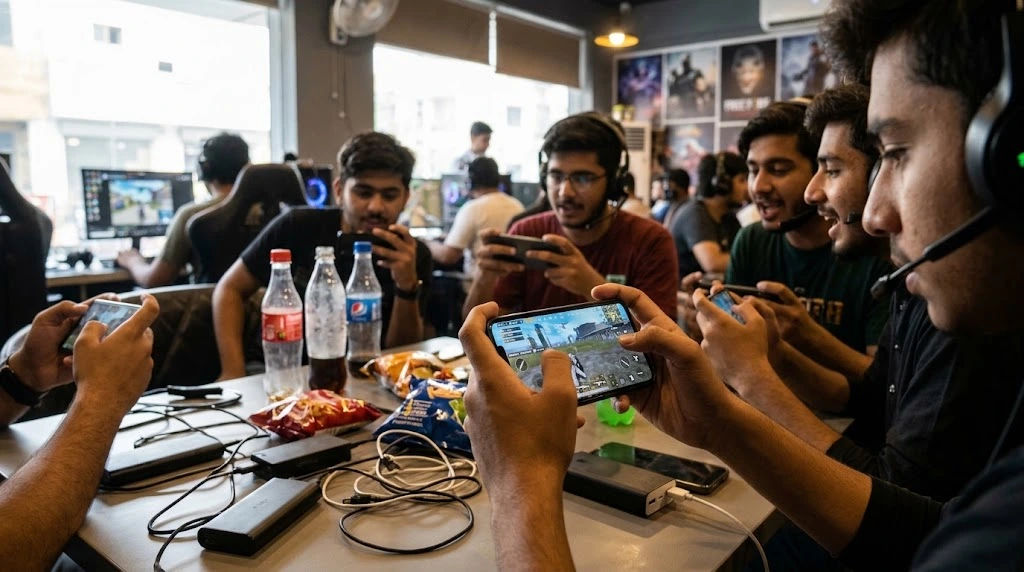
Understanding why Mobile App Gaming keeps freezing is important for anyone who wants smoother performance and a more reliable gaming experience. Freezing can happen because of limited memory, overheating, outdated software, poor internet connections, or problems within the game itself. Sometimes, several of these issues occur together, making it difficult to identify the exact cause.
The good news is that most freezing problems can be reduced with a few practical adjustments. You do not always need to purchase a new smartphone or install expensive software. By understanding how mobile devices handle games and identifying common performance problems, you can take steps to improve stability and enjoy longer gaming sessions without unnecessary interruptions.
Why Mobile Games Freeze
A mobile game freezes when the device or application temporarily stops processing user commands correctly. You might notice that your character stops moving, buttons become unresponsive, animations stop, or the entire screen remains stuck.
Sometimes, the game recovers after a few seconds. In other situations, you must close the application and restart it.
Freezing is different from ordinary lag. Lag usually involves delayed responses, slow movement, or reduced performance. Freezing means the application temporarily stops functioning as expected.
Several factors can contribute to this problem.
Insufficient Available RAM
Random Access Memory, commonly called RAM, helps smartphones manage running applications and active processes.
Games use RAM to store temporary information, including character movements, graphics, sound effects, maps, and other gameplay elements.
When a smartphone does not have enough available memory, the operating system may struggle to manage these processes. This can cause the game to slow down, freeze, or close unexpectedly.
Mobile App Gaming pkr spin several applications simultaneously can make the situation worse.
For example, playing a demanding game while keeping social media, video streaming, and messaging applications active may consume too much memory.
Closing unnecessary applications before starting a game can help improve performance.
Overheating During Gameplay
Heat is another common reason mobile games freeze.
Modern games require considerable processing power. The processor and graphics unit work continuously to display animations, calculate movements, and produce detailed visual effects.
These activities generate heat.
When a smartphone becomes too hot, its operating system may reduce processor performance to protect internal components. This process is known as thermal throttling.
As a result, games may experience slower frame rates, delayed responses, and occasional freezing.
Playing for several hours, charging while gaming, using demanding graphics settings, or playing in direct sunlight can increase overheating.
Allowing your phone to cool down between gaming sessions can help prevent these problems.
How Hardware Limitations Affect Gaming Performance
A smartphone's hardware determines how efficiently it can handle demanding applications.
Not every mobile device is designed to run modern games at maximum graphics settings. Understanding hardware limitations can help explain why some games freeze more frequently than others.
Weak or Outdated Processors
The processor, also called the CPU, performs the calculations required to run applications.
Mobile games depend on the CPU to manage game logic, player actions, artificial intelligence, and background processes.
Older processors may struggle with newer games that require greater computing power.
When the processor cannot complete tasks quickly enough, the application may become unresponsive.
This is particularly noticeable in games featuring large environments, complex characters, multiplayer battles, and detailed animations.
Reducing graphics quality and closing background applications can reduce the workload on an older processor.
Limited Graphics Processing Power
The graphics processing unit, or GPU, handles visual tasks such as textures, lighting, shadows, and animations.
Games with advanced graphics place significant demands on this component.
If the GPU cannot process visual information efficiently, players may experience stuttering, low frame rates, and freezing.
Some smartphones have powerful processors but relatively limited graphics capabilities. This means they may perform well during everyday activities but struggle with graphically demanding games.
Choosing lower graphics settings can help maintain more consistent performance.
Insufficient Storage Space
Storage space also affects overall smartphone performance.
Mobile games require room for installation files, updates, temporary information, and additional downloadable content.
When storage becomes nearly full, the operating system may have difficulty managing certain tasks efficiently.
This can contribute to slow loading, installation errors, and application instability.
Try to maintain a reasonable amount of free storage.
Remove unused applications, delete unnecessary downloads, and transfer large personal files to another storage location when appropriate.
Avoid deleting unfamiliar system files because they may be necessary for your device to operate correctly.
The Role of Internet Connectivity in Game Freezing
Not every freezing problem comes from smartphone hardware. Online games depend on stable internet connections to communicate with remote servers.
If the connection becomes unreliable, gameplay may stop responding even when the phone itself is working properly.
Weak Wi-Fi Signals
A weak Wi-Fi connection can interrupt communication between your device and the game server.
This may cause characters to stop moving, loading screens to remain visible, or multiplayer matches to become unresponsive.
Physical distance from the router, thick walls, electronic interference, and network congestion can weaken Wi-Fi performance.
Try moving closer to the router or connecting to a more reliable network.
Restarting the router may also help resolve temporary connectivity problems.
Unstable Mobile Data Connections
Mobile data can also contribute to freezing.
Network coverage may change when you move between locations, enter buildings, or travel through areas with weaker signals.
Even when your phone displays a network connection, the actual connection quality may be inconsistent.
For smoother online gameplay, choose a location with reliable mobile coverage.
If your device supports different network modes, check whether switching to a more stable available connection improves performance.
High Server Latency
Latency describes the time information takes to travel between your smartphone and a game server.
High latency can make online games appear frozen because your actions are not processed immediately.
For example, you may press a button to move your character, but the action appears several seconds later.
Server problems can also affect players across different devices and internet providers.
If the game freezes during online matches but offline games work normally, the issue may involve the network or game servers rather than your smartphone.
Outdated Applications and Operating Systems
Software updates are important for maintaining application stability.
Developers regularly release updates to fix bugs, improve compatibility, and optimize performance.
Using outdated software can increase the possibility of freezing.
Why Game Updates Matter
A game update may include important improvements to graphics processing, memory management, security, and compatibility.
Older versions may contain bugs that cause unexpected crashes or freezing.
Some games also require newer versions of their applications to communicate correctly with online servers.
Check the official application store for available updates.
Before updating, make sure your internet connection is stable and that sufficient storage space is available.
Operating System Compatibility
Smartphone operating systems receive updates to improve performance and fix technical problems.
An outdated operating system may not support certain features used by newer games.
However, compatibility problems can also occur immediately after an update if a game has not yet been optimized for the latest software version.
Check whether your device meets the game's minimum operating system requirements.
If freezing begins after a software update, check whether the developer has acknowledged compatibility problems or released a corrective update.
Background Applications and System Processes
Smartphones perform many activities even when users are focused on gaming.
Applications may synchronize information, download updates, send notifications, or refresh their content in the background.
These activities can compete with games for memory, processing power, and network resources.
Close Unnecessary Applications
Closing applications that you are not using can help free system resources.
For example, video streaming applications, editing tools, and large social media applications may consume considerable memory.
Before opening a demanding game, close unnecessary applications through your phone's recent-apps screen.
You should not routinely force-stop essential system applications or security services.
The goal is to reduce unnecessary activity rather than interfere with normal smartphone operations.
Disable Unnecessary Notifications
Notifications can interrupt gameplay and occasionally create performance problems on devices with limited resources.
Repeated alerts from messaging applications, social networks, and other services may distract players.
Using your smartphone's Do Not Disturb or gaming mode can reduce interruptions.
Some devices also provide performance settings that prioritize gaming applications.
These features can help create a more consistent experience, although their benefits depend on the phone model.
How Graphics Settings Can Cause Freezing
Graphics settings determine how much work a game requires from the smartphone.
Higher settings usually produce more detailed visuals, but they also increase hardware demands.
A device that cannot handle these settings may experience performance problems.
Reduce Graphics Quality
If your game freezes regularly, try reducing the graphics quality.
Change settings such as:
-
Texture quality.
-
Shadow effects.
-
Lighting details.
-
Environmental effects.
-
Anti-aliasing.
-
Rendering resolution.
These adjustments reduce the amount of visual information the GPU must process.
You may notice slightly less detailed graphics, but gameplay can become more stable.
Adjust the Frame Rate
Frame rate describes how many images appear on the screen every second.
Higher frame rates can make movement look smoother, but they require additional processing power.
For example, a smartphone that struggles with 60 frames per second may perform more consistently at 30 frames per second.
Experiment with the available frame-rate settings to find a balance between visual smoothness and stability.
Consistency is often more important than choosing the highest possible setting.
Corrupted Cache and Temporary Application Data
Applications store temporary files to improve loading speed and remember certain information.
These files are generally useful, but they can occasionally become corrupted or outdated.
When this happens, an application may behave unexpectedly.
Clear the Game Cache
On many Android smartphones, users can clear an application's cache through the device settings.
The general process is:
-
Open your smartphone's settings.
-
Select the applications section.
-
Find the game that keeps freezing.
-
Open its storage information.
-
Select the option to clear cache, if available.
Clearing the cache removes temporary files without normally deleting saved game progress.
However, menu names and available options vary between devices.
Avoid selecting clear data unless you understand the consequences. This option may remove local settings, downloaded information, or account details.
On iPhones, there is no universal system-wide button for clearing an individual application's cache. Reinstalling the application or using storage-management options may be necessary.
Reinstall the Game When Necessary
If clearing temporary files does not solve the problem, reinstalling the game may help.
A fresh installation can replace damaged application files and remove certain software-related problems.
Before uninstalling, confirm that your progress is connected to a supported account or cloud-saving service.
Otherwise, you could lose locally stored progress.
Download the application again from its official store and allow all necessary updates to finish before playing.
How to Identify the Exact Cause of Freezing
Finding the actual cause is more effective than changing several settings randomly.
Different freezing patterns can provide useful clues about the underlying problem.
Observe When Freezing Happens
Pay attention to the situations in which the game becomes unresponsive.
For example:
-
Freezing immediately after opening may indicate compatibility or installation problems.
-
Freezing during intense battles may suggest hardware limitations or overheating.
-
Freezing during online matches may indicate network instability.
-
Freezing after extended gameplay may point toward excessive heat or memory pressure.
-
Freezing after an update may suggest a software bug.
Recording these patterns can help you identify the most likely explanation.
Test Other Applications
Try running another game or demanding application.
If several applications freeze, the problem may involve the smartphone's hardware, operating system, or available resources.
If only one particular game freezes, the application itself may be responsible.
You can also check whether other players are reporting similar problems.
Widespread complaints may indicate a developer-side issue or server disruption.
Practical Ways to Prevent Mobile Game Freezing
Preventing freezing is usually easier than repeatedly fixing it after every interruption.
Developing a few simple smartphone habits can improve gaming stability.
Keep Your Smartphone Updated
Install official operating system updates and application updates when appropriate.
These updates often contain security improvements and performance fixes.
However, check device compatibility before installing major operating system upgrades on older smartphones.
Avoid Excessive Heat
Give your device enough time to cool down between long gaming sessions.
Avoid placing it under pillows, blankets, or other materials that prevent heat from escaping.
If your smartphone becomes unusually hot, stop playing and allow it to cool naturally.
Do not put a hot phone in a refrigerator or freezer because sudden temperature changes and condensation can damage internal components.
Maintain Free Storage Space
Regularly review your installed applications and downloaded files.
Remove content you no longer need and keep enough free space for updates and temporary files.
A smartphone with adequate storage is generally easier to maintain and manage.
Use Reliable Charging Equipment
Poor-quality charging accessories can create power-related problems and potentially increase device temperature.
Use compatible chargers and cables from reputable manufacturers.
If your smartphone becomes hot while charging, avoid demanding gaming sessions until it cools down.
Restart Your Device Regularly
Restarting a smartphone can resolve temporary software problems and clear certain stuck processes.
If a game starts freezing unexpectedly, close it completely and restart the device.
This simple step can sometimes restore normal performance without requiring more complicated troubleshooting.
When Should You Consider Replacing Your Smartphone?
Sometimes, repeated freezing indicates that a device is no longer capable of handling modern games comfortably.
This does not mean every freezing problem requires purchasing a new phone.
First, investigate whether software updates, storage management, cooling, and graphics adjustments can improve performance.
However, replacement may become reasonable when:
-
The processor cannot meet the game's minimum requirements.
-
The device has insufficient RAM for modern applications.
-
Multiple demanding games freeze despite troubleshooting.
-
The smartphone frequently overheats during ordinary use.
-
Hardware damage affects its stability.
-
The manufacturer no longer provides important software support.
If you decide to upgrade, compare processor performance, RAM, graphics capabilities, cooling systems, battery capacity, and software support.
A balanced smartphone is generally a better investment than choosing a device based only on advertised specifications.
Conclusion
Mobile games can freeze for several reasons, and identifying the underlying cause is the most important step toward solving the problem. Insufficient RAM, outdated processors, overheating, limited storage, unstable internet connections, corrupted application files, and software compatibility issues can all interrupt gameplay.
Understanding how Mobile App Gaming interacts with smartphone hardware and software makes troubleshooting much easier. Instead of immediately replacing your device, begin with practical solutions such as closing unnecessary applications, reducing graphics settings, checking internet stability, clearing temporary files, and installing appropriate updates.
Temperature management also deserves attention. Long gaming sessions can place considerable pressure on smartphone components, so allowing your device to cool down can help maintain consistent performance.
If freezing continues, observe when it happens and whether other applications experience similar problems. This information can help distinguish between a device-related issue, an application bug, and a network problem.
Developing good smartphone maintenance habits can prevent many common interruptions. Keep sufficient storage available, use reliable charging accessories, restart your device when necessary, and make sure your games remain compatible with your operating system.
Ultimately, a smooth gaming experience depends on several factors working together. With the right settings, regular maintenance, and careful troubleshooting, most players can reduce unexpected freezing and enjoy more reliable gameplay without unnecessary frustration.
About the Author