Pakistani truck art is one of the most colourful and recognizable forms of traditional vehicle decoration in South Asia. It transforms ordinary trucks into moving works of art through bright colours, detailed paintings, decorative patterns, poetry, and handmade ornaments. These decorated vehicles are more than a way to transport goods. They represent creativity, cultural identity, regional traditions, and the personal expression of truck owners and artists. 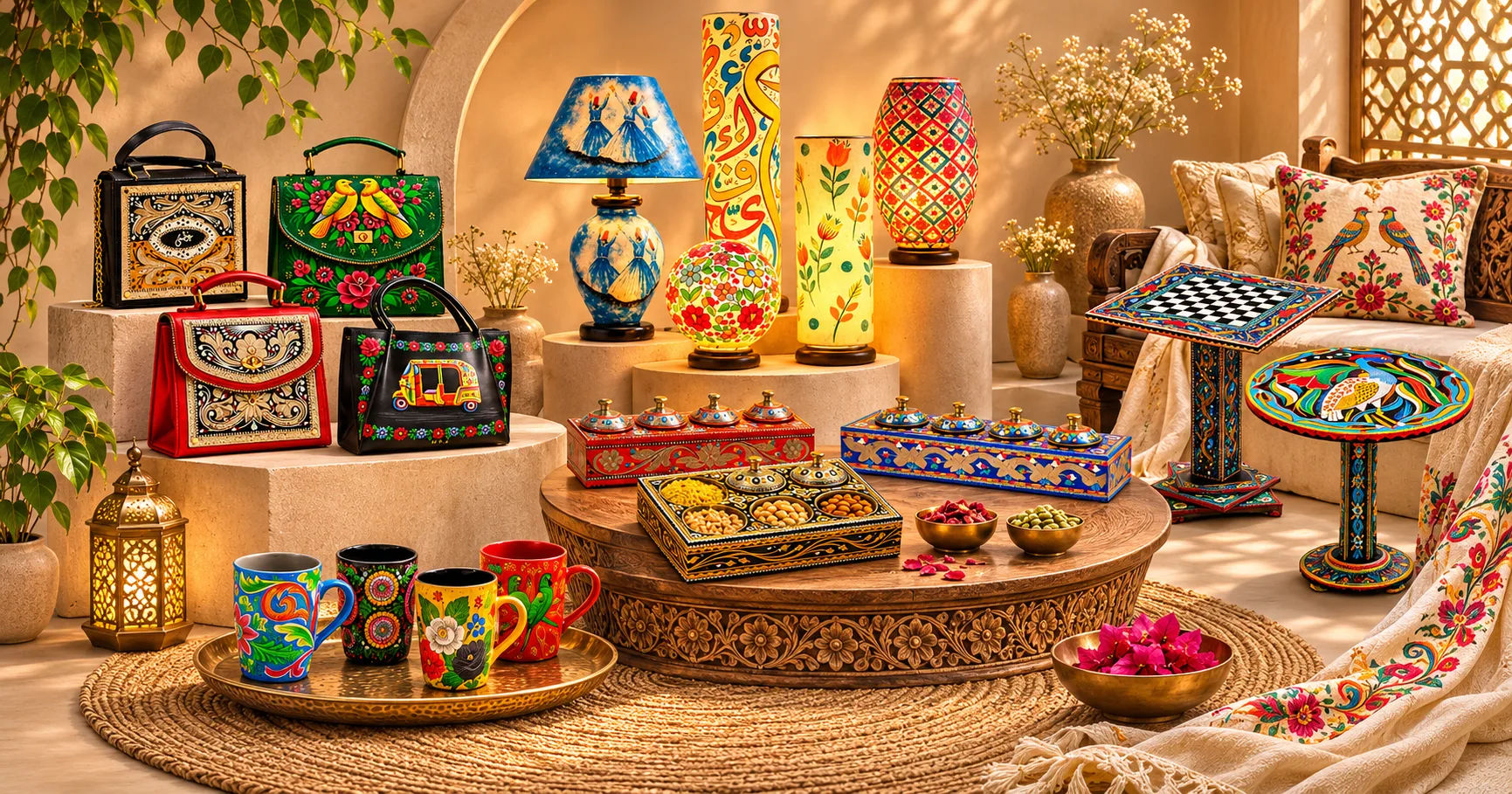 The creation of pakistani truck art involves several stages, from preparing the vehicle's surface to painting complicated designs and attaching decorative elements. Skilled artists, painters, metalworkers, woodworkers, and craftsmen work together to complete each vehicle. Every detail is carefully selected to create a unique appearance that reflects the owner's personality and artistic preferences.
Although modern tools and materials have changed some traditional methods, the basic creative process still depends on craftsmanship, patience, and imagination. Understanding how this art is created helps explain why decorated trucks have become an important part of Pakistan's cultural heritage.
1. Origins of Pakistani Truck Art
Before exploring the creation process, it is important to understand where this artistic tradition comes from.
pakistani truck art developed through a combination of regional crafts, traditional painting styles, and transportation culture. As road transportation expanded, truck owners began decorating their vehicles to make them attractive and recognizable.
Over time, simple decorations developed into elaborate artistic displays. Different regions introduced their own colours, patterns, symbols, and decorative techniques.
Influence of Regional Traditions
Pakistan has several regions with distinctive artistic traditions. These traditions influence how trucks are decorated.
For example:
-
Punjab: Known for colourful floral designs, landscapes, and decorative patterns.
-
Sindh: Often associated with traditional embroidery-inspired patterns, mirror work, and geometric designs.
-
Balochistan: Influences include detailed geometric patterns and regional decorative traditions.
-
Khyber Pakhtunkhwa: Often features bold colours, symbolic imagery, and traditional decorative elements.
These regional influences give each decorated vehicle its own character.
Why Truck Owners Decorate Their Vehicles
Truck owners often consider their vehicles an important personal and professional investment. Decoration allows them to express their identity and make their trucks visually distinctive.
Some owners choose religious expressions, while others prefer flowers, birds, famous personalities, landscapes, or poetry.
These choices help make each vehicle different from others on the road.
2. Planning the Design Before Painting
The first major stage involves planning the overall appearance of the truck. Artists do not usually begin painting without understanding what the finished vehicle should look like.
They discuss ideas with the truck owner and decide which parts require decoration.
Discussing Ideas With the Truck Owner
The owner usually explains their preferences, budget, and desired decorative style.
Some people prefer traditional designs, while others request modern artwork with unusual colour combinations.
Artists may also consider the truck's size, shape, and existing structure when planning the decoration.
The design must look balanced across the front, sides, back, and other visible sections.
Selecting Colours and Patterns
Colour selection is an important part of the planning process.
Bright red, yellow, green, blue, orange, and white are commonly used because they create strong visual contrasts.
Artists also select patterns that complement one another. Floral designs, stars, geometric shapes, and decorative borders are frequently included.
A well-planned design ensures that the different decorative elements work together rather than appearing disconnected.
Preparing a Design Layout
Some artists draw preliminary sketches before applying paint.
These sketches help determine the position of major images, decorative borders, lettering, and patterns.
For complicated designs, planning also helps reduce mistakes and saves time during the painting process.
3. Preparing the Truck's Surface
Once the design is planned, the vehicle needs proper surface preparation.
This stage is important because paint does not produce a smooth and lasting finish when applied to an unprepared surface.
Cleaning the Vehicle
The truck's body is cleaned to remove dust, dirt, grease, and other materials.
Artists pay attention to areas where paint will be applied, including metal panels, doors, the front section, and decorative bodywork.
A clean surface allows the paint to adhere more effectively.
Removing Old Paint and Rust
If the vehicle has previously been painted, damaged or loose paint may need to be removed.
Rusty areas also require attention. Depending on their condition, workers may sand, repair, or replace affected sections.
This preparation helps create a more even surface.
Applying Primer
Primer is generally applied before the main paint.
It improves paint adhesion and helps create a consistent base for the decorative colours.
The primer must dry properly before additional layers are applied.
This stage provides a foundation for the detailed artwork that follows.
4. Applying the Base Colours
After preparation, artists begin applying the main colours to the truck.
These colours establish the overall appearance and provide a background for more detailed designs.
Choosing the Main Background
The background colour depends on the owner's preferences and the planned artwork.
Some trucks feature a single dominant colour, while others have different colours on separate sections.
Artists consider how the background will complement the smaller decorative elements.
Painting Large Sections
Painters use suitable brushes, rollers, or spray equipment depending on the surface and desired finish.
Large panels are generally completed before smaller decorative details.
They carefully apply paint to doors, side panels, front sections, and other visible areas.
Allowing Paint to Dry
Each layer needs sufficient drying time.
Applying additional paint too quickly can affect the finish and create unwanted marks.
Professional painters therefore follow suitable drying periods according to the paint and environmental conditions.
5. Creating Detailed Hand-Painted Designs
Hand painting is one of the most recognizable parts of the artistic process.
This is where ordinary vehicle panels begin to look like detailed paintings.
Artists use their experience, imagination, and steady hand movements to create decorative images.
Drawing Floral Patterns
Flowers are among the most common decorative elements.
Artists paint roses, leaves, vines, and other floral shapes across different sections of the truck.
These patterns may appear around windows, doors, side panels, and decorative borders.
Bright colours make the flowers stand out against the background.
Painting Birds and Animals
Birds and animals are also popular subjects.
Peacocks, eagles, horses, lions, and other figures may appear in traditional designs.
Some images represent beauty, strength, freedom, or cultural symbolism.
Artists adjust the size and position of these images according to the available space.
Adding Landscapes and Portraits
Certain trucks feature mountains, rivers, gardens, historical buildings, or other scenic images.
Portraits of famous personalities and respected figures may also be included.
These paintings require greater attention to detail because artists must create recognizable shapes and expressions.
Creating Decorative Borders
Borders connect different parts of the artwork.
Artists use repeated lines, flowers, dots, geometric patterns, and contrasting colours to frame larger images.
These borders help make the overall design appear organized and complete.
6. Adding Poetry, Calligraphy, and Messages
Written messages are another important feature of traditional truck decoration.
Many vehicles carry poetry, religious expressions, humorous sayings, and short messages.
These words turn the truck into a moving display of language and cultural expression.
Urdu Poetry and Traditional Sayings
Artists often paint short Urdu verses or popular sayings on the back and sides of trucks.
Some messages communicate love, friendship, patience, or the challenges of everyday life.
Others use humour to entertain people travelling behind the vehicle.
Calligraphy and Religious Expressions
Religious expressions are also common.
Artists may include carefully painted Arabic or Urdu lettering, depending on the owner's preferences.
These designs require attention to spacing, letter shapes, and readability.
Choosing the Right Placement
Written messages are usually positioned where people can easily see them.
The back of the truck is a popular location because other road users can read the message while travelling behind it.
Artists ensure that lettering complements the surrounding paintings.
7. Creating Wooden and Metal Decorations
Painting is only one part of the process. Many trucks also feature handmade wooden and metal decorations.
These elements give the vehicle additional depth and make its appearance more distinctive.
Wooden Carvings
Woodworkers create decorative pieces that may be attached to suitable parts of the vehicle.
These can include carved panels, shaped ornaments, and other traditional designs.
Some pieces feature floral patterns, geometric shapes, or detailed handmade artwork.
The wooden components are prepared and finished to suit their intended location.
Metal Craftsmanship
Metalworkers produce decorative ornaments using suitable metal materials.
These may include shaped pieces, decorative frames, and other traditional accessories.
The designs are selected to complement the painted sections.
Jhallar and Other Decorative Elements
Jhallar refers to decorative hanging or ornamental elements commonly associated with Pakistani truck decoration.
These additions may include colourful pieces, chains, or other crafted details.
Their placement gives the truck a distinctive appearance while reflecting traditional decorative practices.
8. Adding Mirrors, Lights, and Reflective Details
Mirrors, lights, and reflective materials contribute to the visual effect of decorated trucks.
They help create attractive patterns when sunlight or artificial light falls on the vehicle.
Decorative Mirror Work
Small mirrors may be arranged in patterns around suitable decorative sections.
They can be combined with painted borders and other ornaments.
Some designs take inspiration from traditional mirror-work crafts found in different parts of Pakistan.
Decorative Lighting
Certain trucks feature additional decorative lights.
These may be placed around the front, sides, or other suitable areas.
However, lighting must follow applicable road-safety requirements. Decorative additions should never distract drivers or interfere with required vehicle lights.
Reflective Materials
Reflective elements can create interesting visual effects.
Artists and craftsmen select suitable materials that complement the vehicle's overall design.
The final arrangement should remain secure and appropriate for road use.
9. Decorating the Front, Sides, and Back of the Truck
Every section of a truck offers different opportunities for decoration.
Artists treat each area as part of a larger design rather than decorating every section randomly.
Front Decoration
The front is often one of the most noticeable sections.
It may feature painted flowers, geometric patterns, decorative lettering, and other ornamental details.
Some trucks also have specially designed front panels and decorative accessories.
The arrangement must preserve the driver's visibility and avoid interfering with vehicle equipment.
Side Panel Decoration
The sides provide large surfaces for artistic expression.
Artists may paint landscapes, animals, flowers, and traditional patterns across these panels.
Long decorative borders can connect separate images and create a balanced appearance.
Rear Decoration
The back of the vehicle often contains memorable messages and colourful artwork.
Urdu poetry, religious expressions, humorous sayings, and decorative images are common.
Because this section is visible to other road users, owners often choose messages that reflect their personalities.
10. The Role of Skilled Artists and Craftsmen
The creation of a decorated truck is usually a team effort.
Different workers contribute specialized skills to complete the vehicle.
Painters
Painters handle the main colours, detailed illustrations, borders, and lettering.
Their experience helps them create consistent patterns across large and small surfaces.
Woodworkers
Woodworkers prepare carved panels and decorative wooden elements.
Their work adds traditional craftsmanship to the vehicle.
Metalworkers
Metalworkers create suitable ornaments and decorative components.
They also help prepare metal pieces for installation.
Assembly Workers
Other workers install decorative items and check that they are properly secured.
Their contribution ensures that the finished vehicle is visually complete and suitable for practical use.
The cooperation of these specialists is an essential part of the traditional production process.
11. Traditional Tools and Modern Materials
The methods used in Pakistani truck decoration have changed over time.
Traditional artists depended heavily on handmade tools, while modern workshops have access to additional equipment.
Traditional Painting Tools
Common traditional tools include:
-
Paintbrushes of different sizes.
-
Pencils and drawing tools.
-
Measuring equipment.
-
Paint containers.
-
Sanding materials.
-
Stencils for selected patterns.
Small brushes are particularly useful for creating fine lines and detailed illustrations.
Modern Painting Equipment
Some workshops use spray guns and modern paint systems for larger surfaces.
These tools can help produce smoother finishes and consistent background colours.
However, hand-painted details remain important because they give each vehicle an individual character.
Modern Decorative Materials
Modern workshops may use reflective sheets, durable paints, plastic ornaments, and manufactured accessories.
These materials offer additional design possibilities.
Nevertheless, many owners continue to prefer traditional handmade decorations because of their cultural value.
12. How Long Does It Take to Create Pakistani Truck Art?
The time required depends on the vehicle's size, the complexity of the design, and the number of craftsmen involved.
A relatively simple decoration project may take considerably less time than a fully customized vehicle.
Factors That Affect Production Time
Several factors influence the overall schedule:
Design complexity: Detailed paintings and complicated patterns require more working hours.
Vehicle size: Larger trucks have more surfaces to prepare and decorate.
Handmade ornaments: Carved wooden pieces and metal decorations require additional craftsmanship.
Paint drying: Different paint layers need sufficient time to dry.
Number of workers: A larger team may complete separate tasks simultaneously.
Why Quality Matters More Than Speed
Rushing the process can affect the quality of the finished work.
Artists need sufficient time to prepare surfaces, apply colours, paint details, and inspect decorations.
Careful work helps produce a more attractive and durable result.
13. Final Inspection and Finishing
Once the painting and decoration are complete, the truck undergoes a final inspection.
This stage helps identify unfinished areas and ensures that decorative elements are properly installed.
Checking Paint Quality
Artists inspect the painted surfaces for uneven areas, missing details, and visible imperfections.
Small corrections may be made before the project is considered complete.
Checking Decorative Attachments
Wooden pieces, metal ornaments, mirrors, and other accessories are checked to ensure they are securely fitted.
Anything loose or unsuitable for road use should be repaired or removed.
Applying Protective Finishes
Depending on the materials and painting system, a suitable protective coating may be applied.
This can help protect the artwork from sunlight, dust, moisture, and ordinary environmental exposure.
Maintaining Road Safety
The finished vehicle must remain practical and safe.
Decorations should not obstruct windows, mirrors, lights, registration plates, or other essential equipment.
A beautiful design should never compromise the vehicle's safe operation.
14. How Pakistani Truck Art Is Preserved Today
Preserving this tradition is important because it represents the skills and cultural knowledge of generations of craftsmen.
However, traditional workshops face challenges from changing materials, modern transportation requirements, and changing customer preferences.
Supporting Traditional Artists
Truck owners and businesses can support experienced craftsmen by commissioning handmade decorations.
This creates opportunities for artists to continue practising their skills.
Teaching Younger Generations
Experienced painters and craftsmen can pass their knowledge to younger learners through workshops and practical training.
Learning traditional patterns, painting techniques, and decorative methods helps protect the craft.
Exhibitions and Cultural Events
Museums, cultural festivals, and art exhibitions can introduce this tradition to wider audiences.
Photographs, painted panels, and decorative objects help people understand the creativity involved in the process.
Modern Uses Beyond Trucks
Today, traditional truck-inspired designs also appear on clothing, bags, home decorations, paintings, and accessories.
These products introduce the artistic style to new audiences.
They also create additional opportunities for artists to earn money from their skills.
15. Why Pakistani Truck Art Is More Than Vehicle Decoration
The creation of these colourful vehicles represents much more than an attractive painting project.
It brings together different forms of craftsmanship and gives artists a way to express cultural identity.
A Representation of Pakistani Culture
The designs often reflect local traditions, regional influences, poetry, and everyday experiences.
They provide a visual connection between different communities and their artistic heritage.
An Opportunity for Creative Expression
Each owner can choose a unique combination of colours, messages, and decorative images.
This allows artists to create something personal rather than simply repeating an identical design.
Supporting Local Craftsmanship
The industry provides work for painters, woodworkers, metalworkers, and other skilled individuals.
It helps keep traditional artistic techniques alive while creating economic opportunities.
International Recognition
The colourful appearance of Pakistani vehicles has attracted attention from photographers, tourists, designers, and international art enthusiasts.
Its influence can now be seen in different creative industries around the world.
Conclusion
Pakistani truck art is created through a detailed process that combines planning, surface preparation, painting, carving, metalwork, and decorative finishing. Every stage contributes to transforming an ordinary vehicle into a unique moving artwork. The process requires creativity, technical knowledge, patience, and cooperation between different craftsmen.
From selecting bright background colours to painting flowers, birds, landscapes, and portraits, artists use a wide range of techniques to develop distinctive designs. Urdu poetry, calligraphy, wooden carvings, metal ornaments, mirrors, and decorative lights add further character to the finished vehicle.
The most important part of this tradition is the people behind it. Painters, woodworkers, metalworkers, and other craftsmen use their skills to preserve an artistic heritage that has developed over generations. Their work reflects regional traditions, personal stories, and the cultural identity of Pakistan.
Modern materials and equipment have introduced new possibilities, but handmade decoration continues to hold special importance. Supporting traditional workshops, teaching younger artists, and promoting cultural exhibitions can help protect these valuable skills.
Ultimately, pakistani truck art is not simply about making vehicles colourful. It is about celebrating creativity, preserving cultural traditions, supporting skilled workers, and sharing Pakistan's artistic identity with the world. Each decorated truck tells a different story, making the country's roads a moving exhibition of traditional craftsmanship.
About the Author