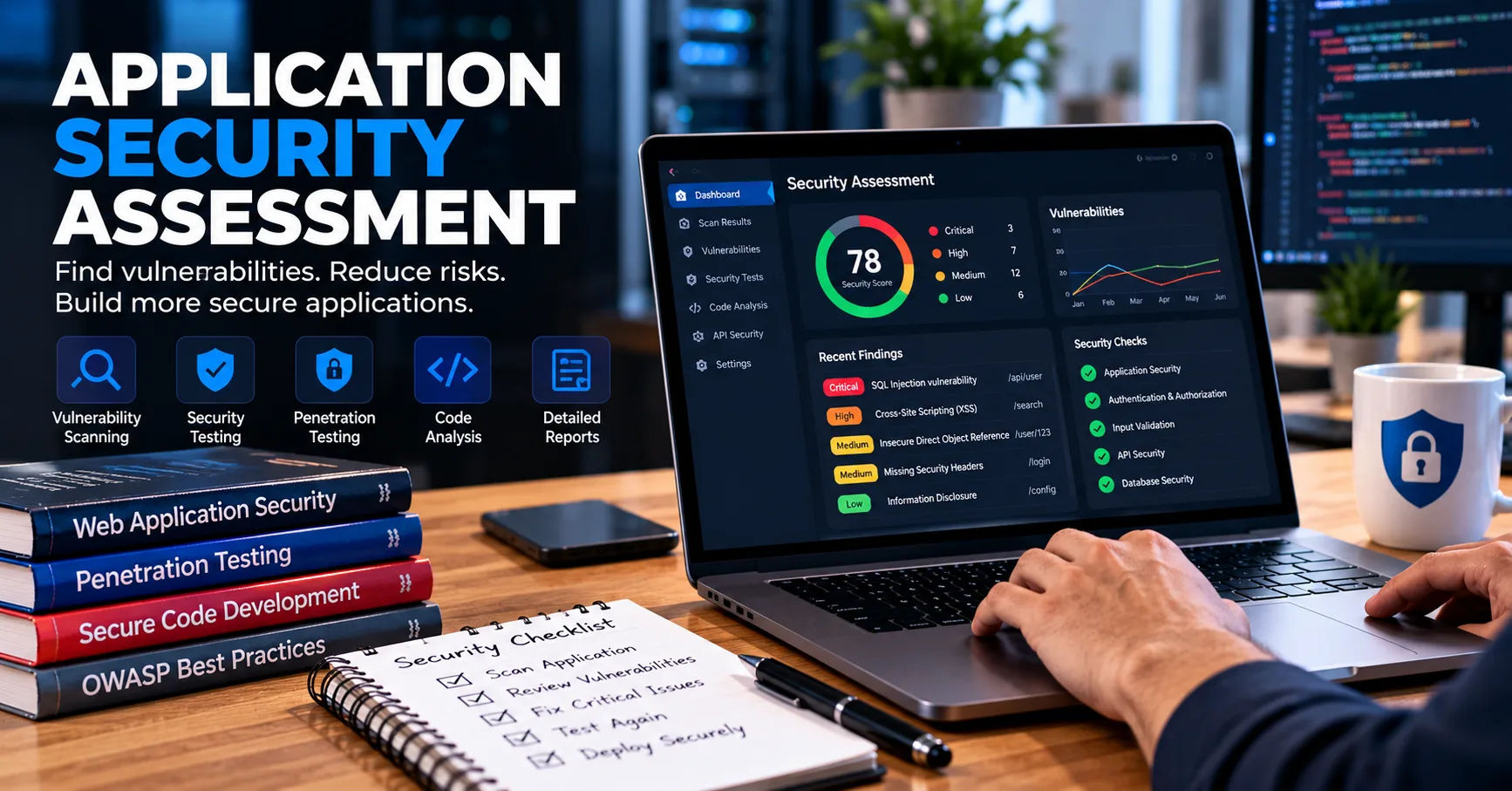
Dr. Aleksandr Yampolskiy, CEO of SecurityScorecard discusses how TITAN AI Now Runs Third-Party Risk Management End to End — and one of the most practical things that platform does is turn noise into narrative. A third-party risk team does not suffer from a shortage of information. It suffers from the opposite: thousands of findings, hundreds of questionnaire responses, and dozens of score changes, all arriving faster than any analyst can read them. The bottleneck is not data collection. It is comprehension. AI summaries change that equation by giving decision-makers the context they need in the form they can actually use.
Thousands of Findings, Zero Priorities
A typical vendor portfolio produces thousands of findings across hundreds of suppliers. Presented raw, that volume is worse than useless — it trains teams to ignore alerts, because treating every finding as equally urgent is close to treating none of them as urgent. The first job of an AI summary is therefore triage: separating the handful of findings tied to active exploitation from the long tail of low-risk observations. TITAN Secure does this by scoring findings against real threat activity rather than a static model, so the vendors connected to live attacks surface first and everything else waits its turn.
What a Good Summary Actually Contains
A useful summary answers four questions in a few lines: what changed, why it matters, which vendors are affected, and what happens next. It does not dump raw scores or paste a questionnaire. It explains the risk in business terms — which supplier, which service, which exposure — and it links each claim back to the underlying evidence. That is what makes a summary trustworthy: a CISO can read it in thirty seconds and defend it in a board meeting, because every line traces back to a scorecard, a finding, or a verified remediation step. SecurityScorecard reports 99.9% accurate risk attribution with a near-zero refute rate, which is the foundation that makes summaries credible instead of merely convenient.
The Review Agent: A First Pass on Every Assessment
Questionnaire responses are the other great source of unread information in TPRM. The assessment bottleneck was never really the questionnaire itself — it was reading every response and every attached document by hand, one vendor at a time. TITAN Assess changes that with a Review Agent that runs the same evaluation on every submission. Instead of reading a hundred answers to find the three that need a decision, your team reviews only the two or three that actually need judgment. The agent's summary of each submission tells the analyst what the vendor claimed, where the evidence is thin, and which answers deserve a follow-up — and the analyst's time goes to decisions, not to reading.
The Three Questions Leadership Actually Asks
Ask any board member what they want from a TPRM program and the answer is always some version of three questions: how urgent is the risk, how is remediation progressing, and how responsive are our vendors. TITAN AI builds its program-level readout around exactly those questions, so the summary a CISO carries into the boardroom is the same summary the platform produces every day. There is no separate reporting exercise, no exports stitched together the night before, and no gap between the numbers leadership sees and the numbers the team works from. The Hershey Company, which manages a vendor ecosystem spanning ingredient suppliers, co-manufacturers, packaging partners, and logistics providers, put it simply: TITAN AI hands teams context they can act on instead of one more alert to chase.
Summaries That Get Faster as the Program Grows
The paradox of most TPRM programs is that more vendors means less clarity: each new supplier adds findings, questionnaires, and score changes to a pile nobody has time to read. AI summaries invert that relationship. Because the workflow is connected — intake, assessment, monitoring, remediation, reporting — every new vendor's data flows into the same summary layer instead of into another silo. And because the platform reports up to 95% less manual effort, the team that used to spend its week reading documents now spends it acting on the three or four summaries that matter. Scale stops being the enemy of understanding.
The goal was never to collect more vendor data. It was to make faster, better decisions about vendor risk. AI summaries are the bridge between those two things: they take the thousands of signals a modern program generates and return the one thing a decision-maker actually needs — a clear answer, with the evidence behind it, in time to act.
#security #tprm #thirdpartyrisk #supplychain #securityratings #ciso
About the Author