Luxury fashion event production services get described in the wrong language most of the time. Brochures talk about elegance and exclusivity. Clients who have actually commissioned one of these events talk about something narrower: tolerances, timing and the number of people who can be trusted with a floor plan.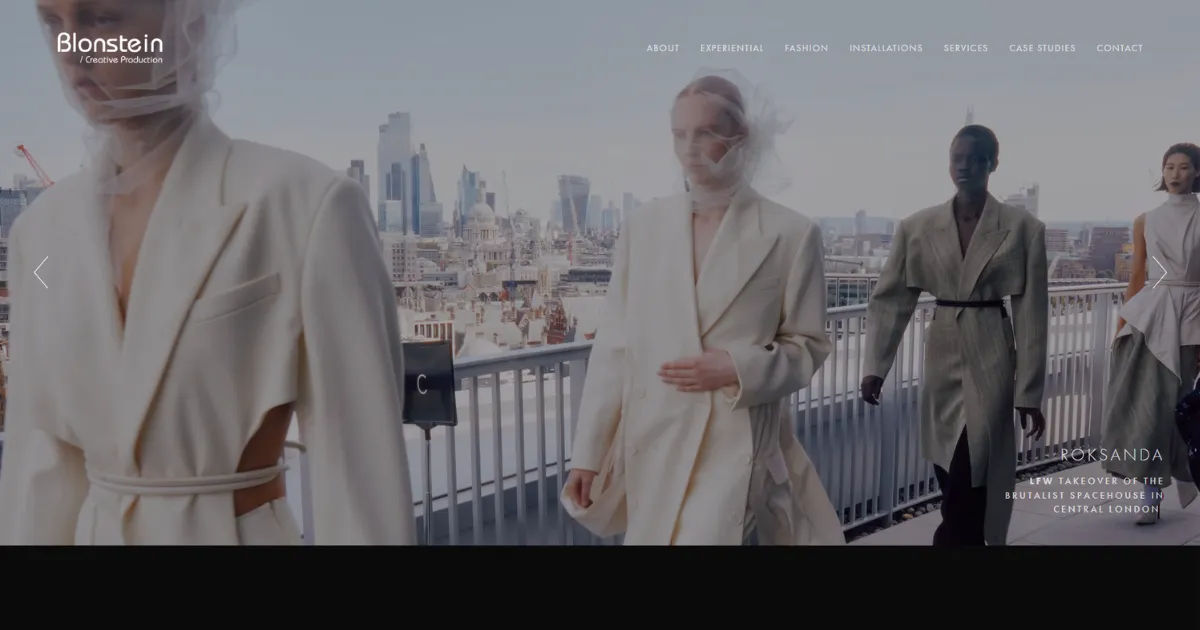
At the top of the market, luxury is not a finish. It is a level of control. It means the seam in the runway deck lands where nobody photographs it. It means the champagne is at 8°C when the first guest arrives, not when the last one does. It means nothing in the room reads as hired.
Tolerances, not adjectives
Ask a production manager what separates a luxury build from a standard one and you will get millimetres as an answer.
On a mainstream event, a 3–5mm gap between deck panels is acceptable. On a luxury runway shot for print and social, it is not, because the camera finds it. Painted finishes go to three coats rather than two. Set edges are mitred, not butted. Cable is buried under the deck rather than taped over it, which means the deck has to be built taller, which means the rig has to be trimmed higher, which affects the lighting design. One decision about a floor changes the whole technical package.
This is why luxury production costs what it does. It is rarely one expensive element. It is fifty decisions that each add a small amount of labour and material, and a build schedule that is 30 to 50 per cent longer to accommodate them.
Guest experience is a logistics problem wearing a nice dress
The parts of a luxury event guests remember are almost entirely operational.
Arrival is the first test. If 250 guests hold invitations for 19:00, the door will not process 250 people at 19:00. Realistic throughput for accredited, name-checked entry runs somewhere around 120 to 180 guests per hour per lane. Two lanes, staggered call times, a covered holding area and a discreet way to move a late VIP past a queue — that is the difference between a calm arrival and forty people standing on a pavement in the rain outside a Mayfair townhouse.
Seating is the second. Front-row politics are real, and they are managed with a seating plan that gets revised on the afternoon of the show, sometimes twice. Somebody senior has to own that document, and that person cannot also be running the technical rehearsal.
The third is the exit. Cars, drivers, a marshalled pickup point and a plan for the twenty minutes when everyone leaves at once. Luxury events are judged at the door in both directions.
Discretion is a deliverable
High-end clients buy confidentiality alongside everything else. That means NDAs across the crew, not just the agency. It means the set drawings are not shared in an open channel. It means the venue is booked under a holding name. It means the crew briefing includes a clear rule on phones and social posting during build.
It also means personnel continuity. If four different freelance stagehands rotate through the build, four more people have seen an unreleased collection. Experienced producers working in this tier keep a smaller, repeat crew for exactly that reason, and they will tell you who is on site before you ask.
Where luxury budgets genuinely differ
Compared with a standard show of the same guest count, the money moves in a predictable direction:
- More crew, longer. Extra build days, larger crews per day, night derigs, and a supervisor-to-crew ratio closer to 1:6 than 1:12.
- Bespoke fabrication. Custom joinery, sprayed finishes, stone or metal elements, sourced and made rather than hired.
- Higher spec technical. Better colour rendering from the lighting rig, quieter dimming, redundant sound, backup playback machines.
- Contingency that is real. Around 10 to 15 per cent held back, and not quietly spent in week two.
- Rehearsal time. A full technical rehearsal plus a dress run, which many mid-market shows skip.
What does not necessarily go up is the venue budget. Some of the most expensive fashion events of the last decade have been staged in raw industrial spaces where the entire room was built from nothing. Blank space is cheaper to hire and vastly more expensive to fill.
Choosing a partner at this level
The pitch will look good from everyone. Look past it. A serious luxury producer will want to talk about the collection before the concept, because the clothes determine the pace of the show, the lighting temperature and how long each look needs to be visible.
They will also push back. A producer who agrees with everything in the first meeting is not going to protect you in week five, when the client-side creative director wants a mirrored floor and nobody has costed the daily polishing crew that a mirrored floor requires.
Agencies working across fashion shows, brand activations and public installations — luxury fashion event production specialists among them — tend to be the safest hands at this tier, because the disciplines share the same demands: precise finishes, immovable deadlines and no second attempt.
The rehearsal test
If you want one indicator of whether a producer is genuinely operating at luxury level, look at how they schedule rehearsal.
Cheap shows rehearse once, badly, ninety minutes before doors, with half the models missing. Well-run shows hold a technical rehearsal without models to fix cues, then a walking rehearsal to set spacing and timing, then a reset with enough slack to fix what the rehearsal exposed. That requires the build to finish early, which requires the schedule to have been honest from the start.
Everything upstream shows up in that afternoon.
Frequently asked questions
What makes an event "luxury" in production terms?
Finish tolerances, crew ratios, rehearsal time and bespoke fabrication rather than hire stock. The visible difference is that nothing looks temporary. The invisible difference is a longer, better-resourced build.
Do luxury fashion events need bigger venues?
Usually not. Guest counts at the top end are often deliberately small, between 80 and 300. The budget goes into what is built inside the space rather than the size of it.
How much contingency should a luxury event carry?
Ten to fifteen per cent of total production cost is a sensible working figure, held to cover late creative changes, weather mitigation and overtime rather than absorbed early.
How early should planning start?
Four to six months for a bespoke build. Custom fabrication, fittings and sample lead times drive the timeline more than the event date itself.
About the Author